Explore Rome Like a Local
Rome doesn't organize its history into a museum, you just walk through it. The Colosseum and Roman Forum sit a few blocks from the Pantheon's still-intact concrete dome, nearly two thousand years old and still the largest unreinforced one on earth. Toss a coin over your shoulder into the Trevi Fountain at night, when the crowds thin and the marble figures glow under floodlights, then wander into Trastevere's tangle of ivy-covered lanes for a late trattoria dinner where the pasta alla carbonara actually tastes the way it's supposed to. Rome is loud, chaotic, and only sort of organized, and that's precisely why it still feels alive rather than preserved. It rewards travelers willing to get lost between the monuments, where the real city happens.
Rome Landmarks & Walking Course Map
Click any marker to preview the landmark, or select a course below to trace its step-by-step route on the map.
Recommended Walking & Transit Courses in Rome
Follow ready-made routes with exact walking distances, transit lines, and estimated durations.
Gladiators of the Colosseum, Imperial Palaces on the Palatine, Triumphal Arches of the Forum, and Michelangelo's Capitol
Colosseum → Palatine Hill → Roman Forum (Foro Romano) → Capitoline Museums (Rome) → Altar of the Fatherland
Morning Market Stalls, Bernini's Four Rivers, the Pantheon Oculus, Trevi Coins, Spanish Steps, and Borghese Masterpieces
Campo de Fiori → Piazza Navona → Pantheon (Rome) → Trevi Fountain → Spanish Steps (Scalinata di Trinità dei Monti) → Galleria Borghese
Sistine Chapel Frescoes, Michelangelo's Dome at St. Peter's, Emperor Hadrian's River Fortress, Janiculum Views, and Trastevere Alleys
Vatican Museums → St. Peter’s Basilica → Castel Sant’Angelo (Rome) → Gianicolo Hill (Janiculum Hill, Rome) → Trastevere (Rome)
Places to Visit in Rome (18)
Click any landmark for opening hours, ticket prices, walking routes, and nearby attractions.
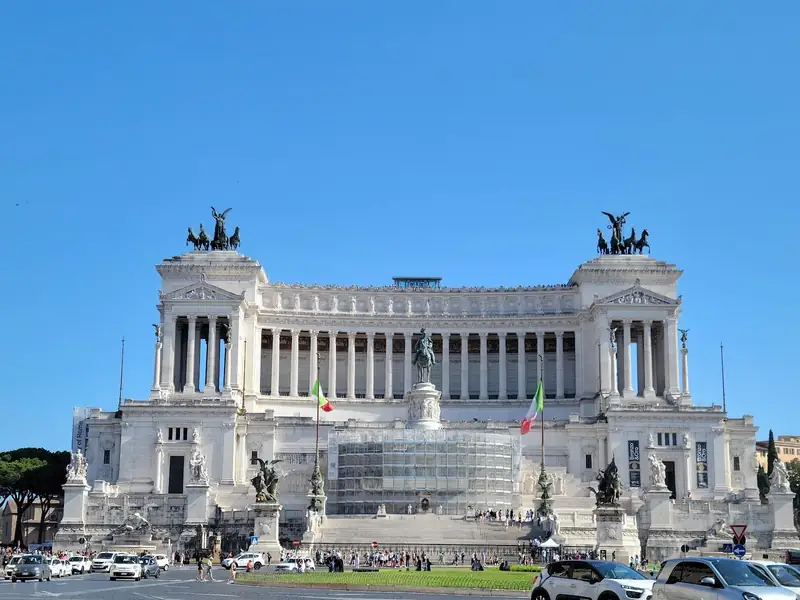
Altar of the Fatherland
White Botticino Marble Colonnade on Piazza Venezia Honouring Unified Italy's First King and Unknown Soldier — Designed by Giuseppe Sacconi in 1885 and inaugurated in 1911 on the northern slope of the Capitoline Hill overlooking Piazza Venezia, the Vittoriano celebrates King Victor Emmanuel II and the Risorgimento unification of Italy. Crowned by twin bronze quadriga chariots soaring 81 meters above the street, its gleaming white Botticino marble stairways cradle the eternal flame of Italy's Tomb of the Unknown Soldier (1921) and a panoramic glass elevator ride to the rooftop terrace.
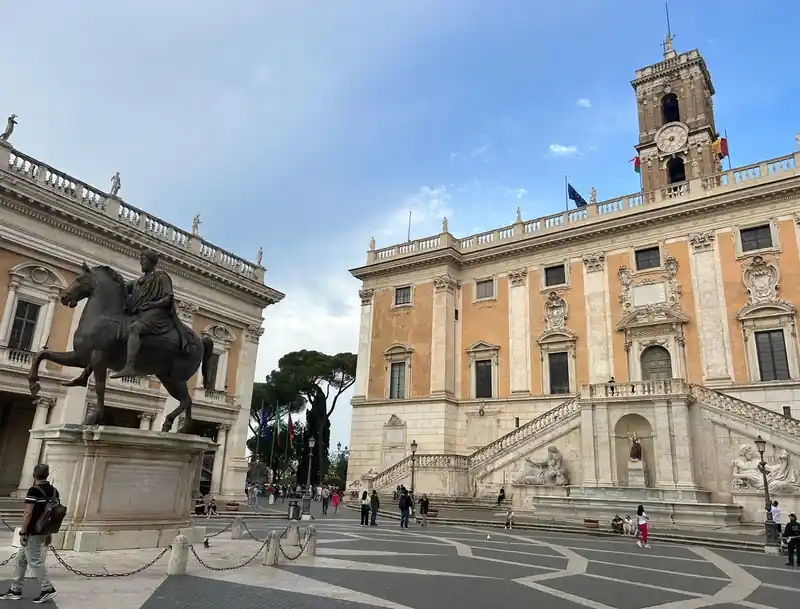
Capitoline Museums (Rome)
The Capitoline Museums are considered the oldest public museums in the world, dating back to the 15th century. Located on Capitoline Hill, they house an extraordinary collection of ancient Roman sculptures and artifacts. Highlights include the Capitoline Wolf, the equestrian statue of Marcus Aurelius, and panoramic views over the Roman Forum from the museum terraces.
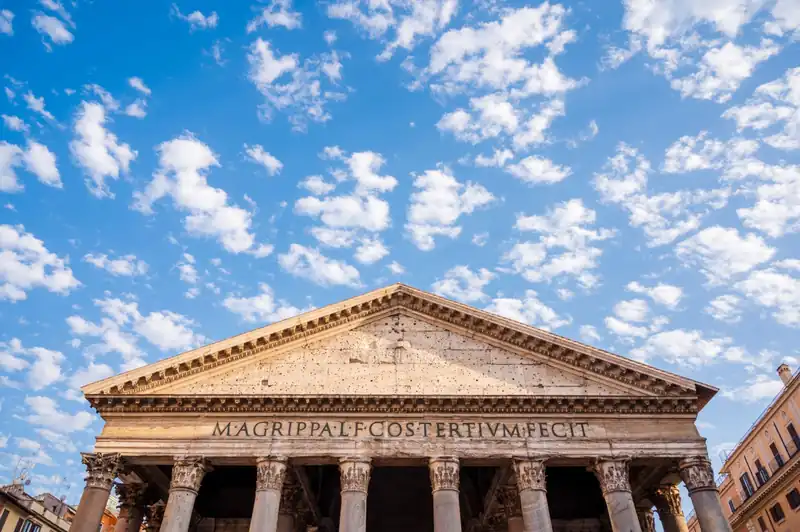
Pantheon (Rome)
The Pantheon is one of the best-preserved monuments of ancient Rome. Built around AD 126, it is famous for its massive concrete dome and central oculus that opens to the sky.
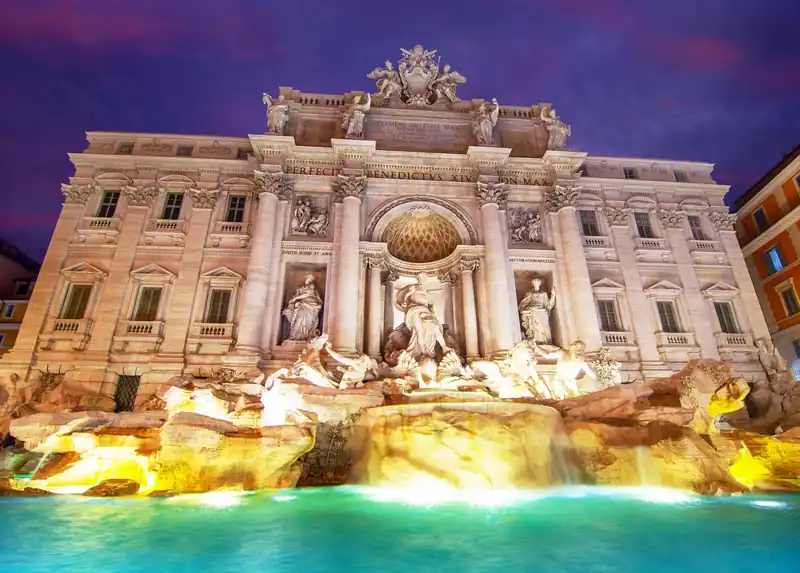
Trevi Fountain
Trevi Fountain is the largest Baroque fountain in Rome and one of the most famous fountains in the world. Visitors traditionally throw a coin into the fountain to ensure their return to Rome.
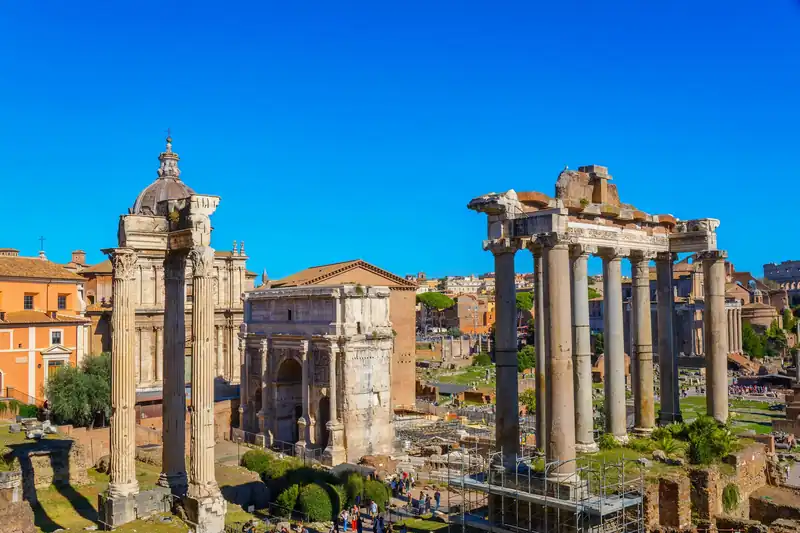
Roman Forum (Foro Romano)
The Roman Forum was the center of political, religious, and social life in ancient Rome. Visitors can explore ruins of temples, basilicas, and government buildings dating back over 2,000 years.
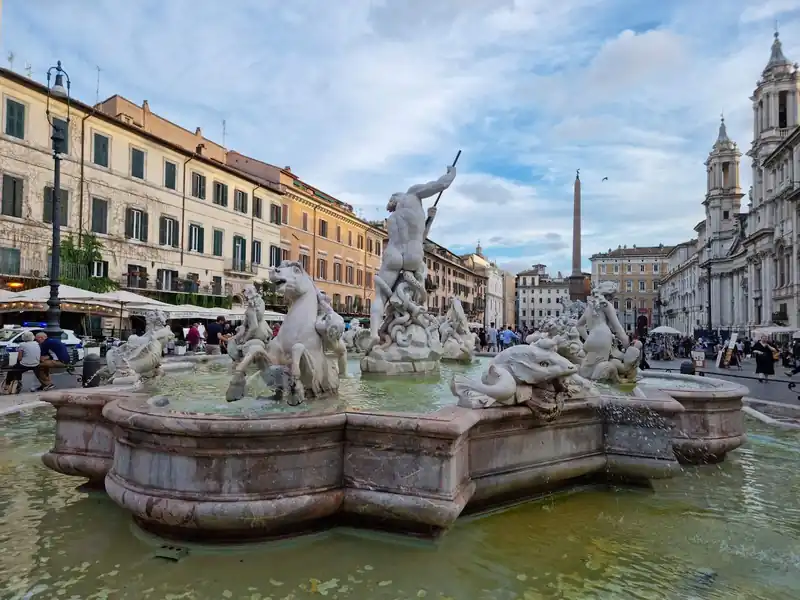
Piazza Navona
Bernini's Fountain of the Four Rivers and Borromini's Facade Tracing Emperor Domitian's AD 86 Stadium — Preserving the exact elongated oval footprint of the Stadium of Domitian built in AD 86 for 30,000 spectators of Greek-style athletic contests ('agones', from which 'Navona' evolved), Piazza Navona was transformed under Pope Innocent X Pamphilj in the mid-17th century into the showpiece of Roman Baroque urbanism. At its center rises Gian Lorenzo Bernini's 1651 Fountain of the Four Rivers (Nile, Ganges, Danube, and Rio de la Plata) crowned by an ancient obelisk directly facing Francesco Borromini's undulating facade of Sant'Agnese in Agone.
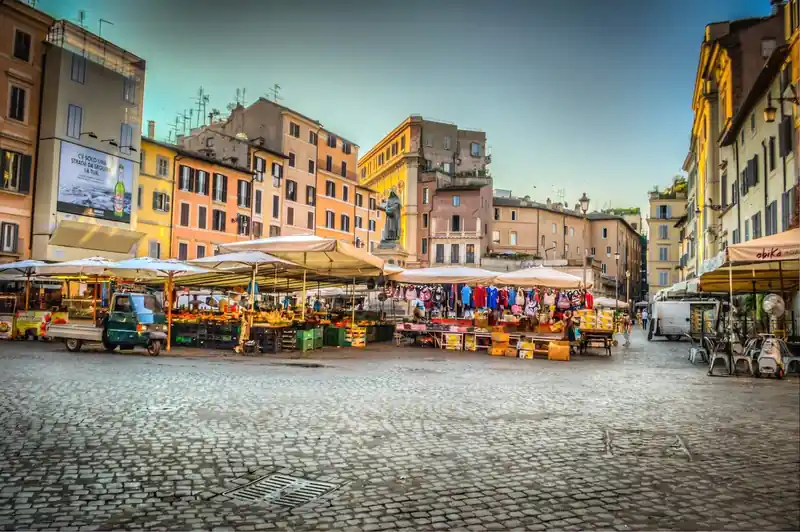
Campo de Fiori
Rome's Lively Morning Produce Market Since 1869 Watched Over by the Hooded Statue of Giordano Bruno — Meaning 'Field of Flowers' after the medieval meadow that existed here until Pope Callixtus III paved it in 1456, Campo de' Fiori is the only major historic square in Rome without a church. Every morning since 1869 it bursts into color with stalls of Roman artichokes, fruit, spices, and flowers around the 1889 bronze monument by Ettore Ferrari honoring philosopher Giordano Bruno, who was burned at the stake on this very spot in 1600 for defending cosmic infinity.
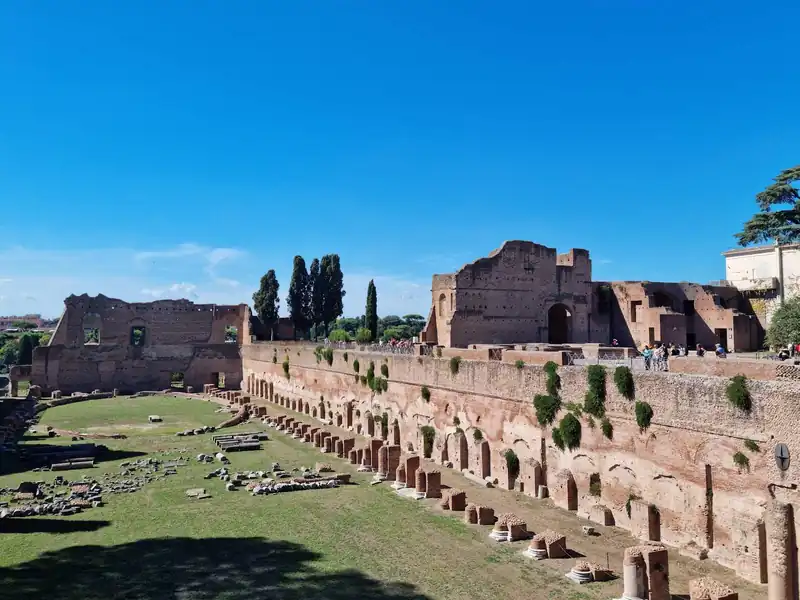
Palatine Hill
Birthplace of Rome Where Romulus Traced the First City Walls and Emperors Built Their Palaces — Rising 40 meters above the Roman Forum on one side and the Circus Maximus on the other, the Palatine is the central hill of the Seven Hills of Rome and the legendary site where the she-wolf nursed Romulus and Remus before Romulus founded the city in 753 BC. From Emperor Augustus onward it became the imperial residence—giving every European language the word 'palace' from 'Palatium'—with the monumental brick ruins of the Domus Augustana, Domus Flavia, and Stadium of Domitian still crowning its pine-shaded plateau.
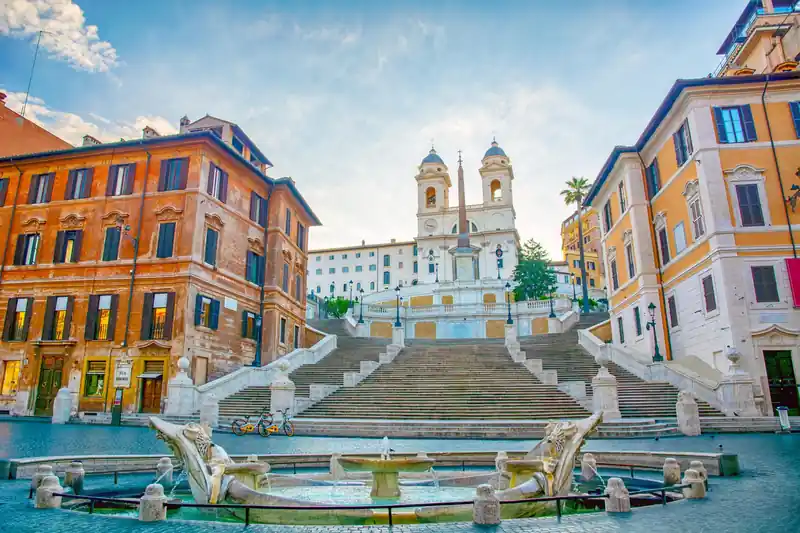
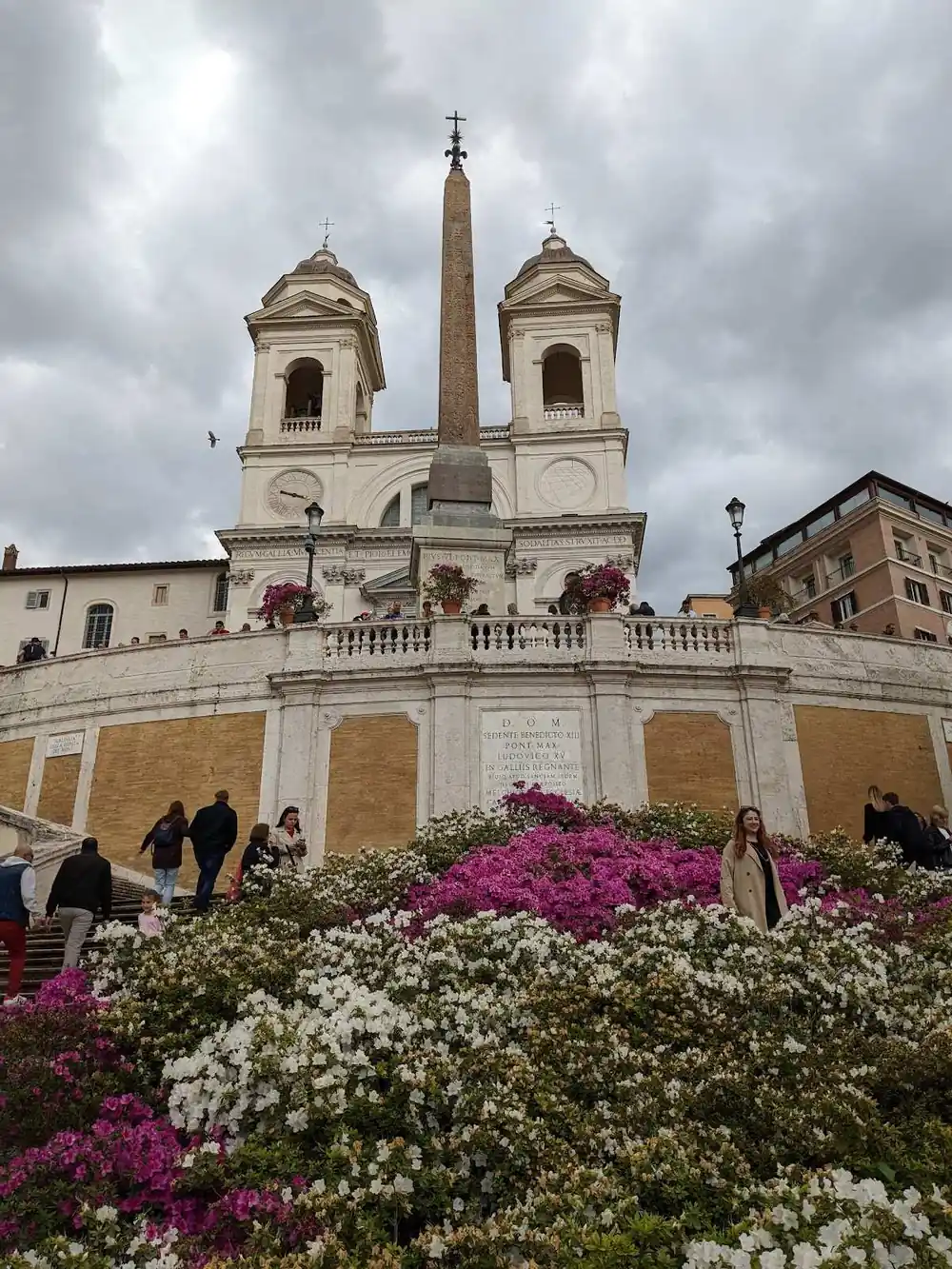
Spanish Steps (Scalinata di Trinità dei Monti)
The Spanish Steps connect Piazza di Spagna with the Trinità dei Monti church above. It is one of the most popular gathering and photo spots in Rome.
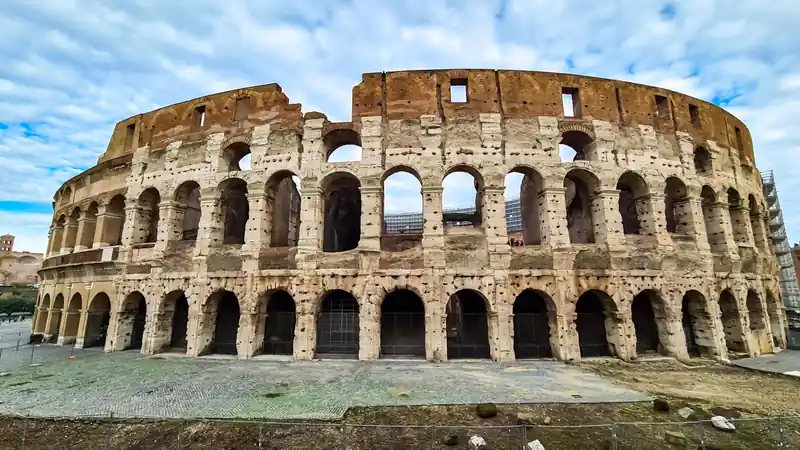
Colosseum
The Colosseum is the largest ancient amphitheater ever built and one of the most iconic landmarks in Rome. Completed in AD 80, it was used for gladiator contests and public spectacles. Today, it is one of the most visited monuments in the world.
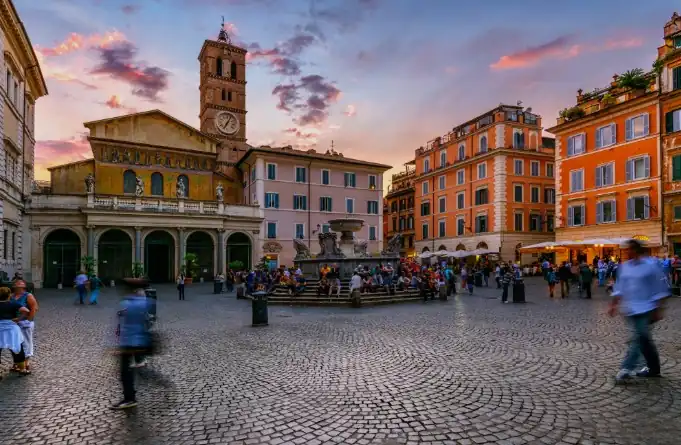
Trastevere (Rome)
Trastevere is one of Rome’s most charming neighborhoods, known for narrow cobblestone streets, lively restaurants, and authentic local atmosphere.
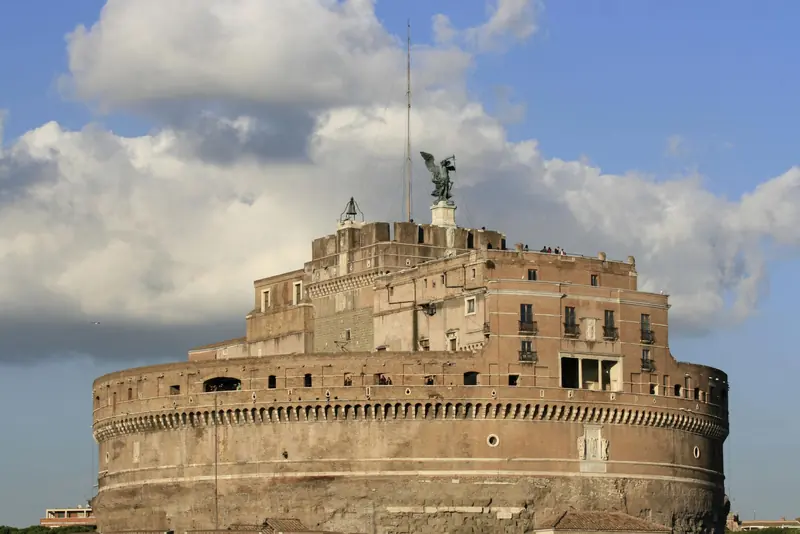
Castel Sant’Angelo (Rome)
Originally built as Emperor Hadrian’s mausoleum, Castel Sant’Angelo later became a fortress and papal residence. Today it offers panoramic views over Rome and the Vatican.
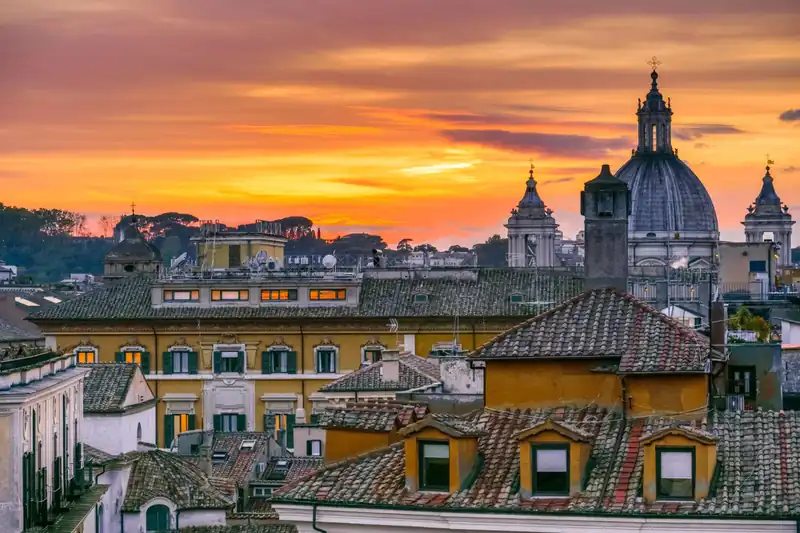
Gianicolo Hill (Janiculum Hill, Rome)
Gianicolo Hill offers one of the best panoramic views over Rome. Although not one of the traditional Seven Hills, it provides a wide, unobstructed skyline view including St. Peter’s Basilica and central Rome. It’s particularly popular at sunset and nighttime for romantic city views. Every day at noon, a ceremonial cannon is fired from the hill — a long-standing Roman tradition.
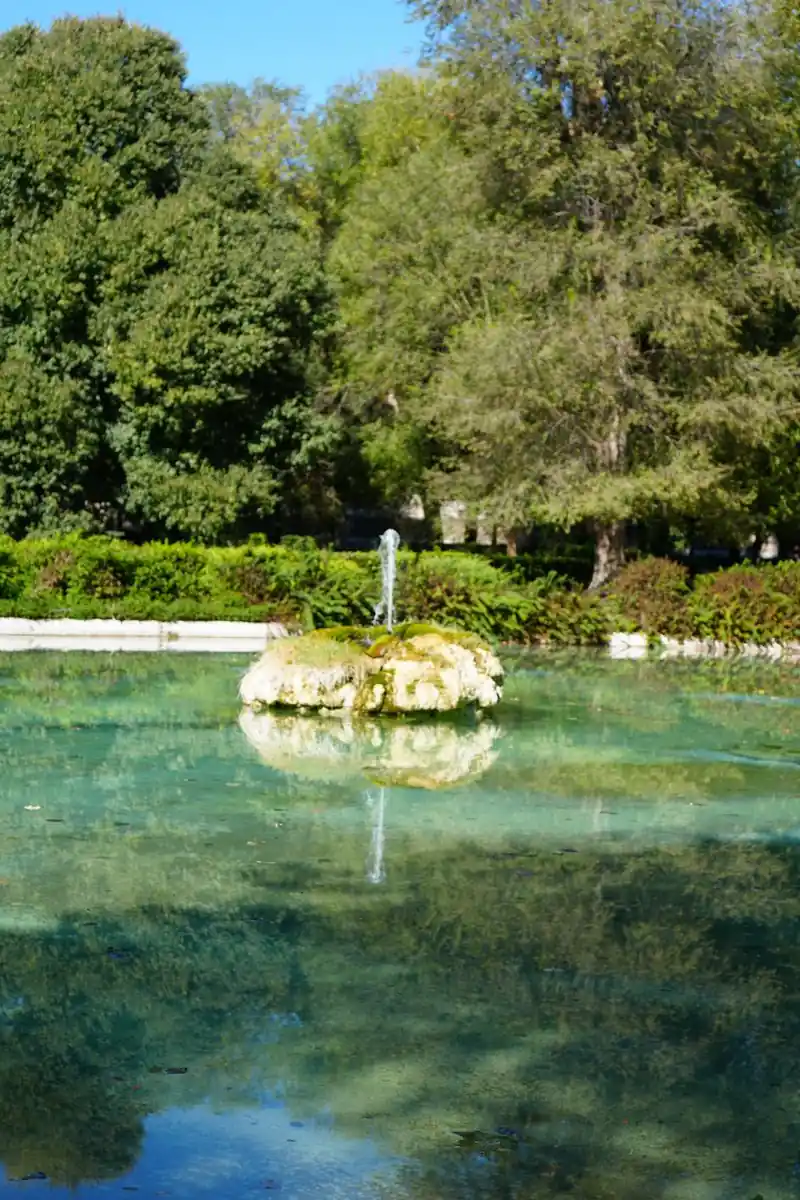
Villa Borghese Gardens (Rome)
Villa Borghese is a large public park in Rome offering gardens, museums, a small lake, and scenic viewpoints. It is home to the famous Borghese Gallery.
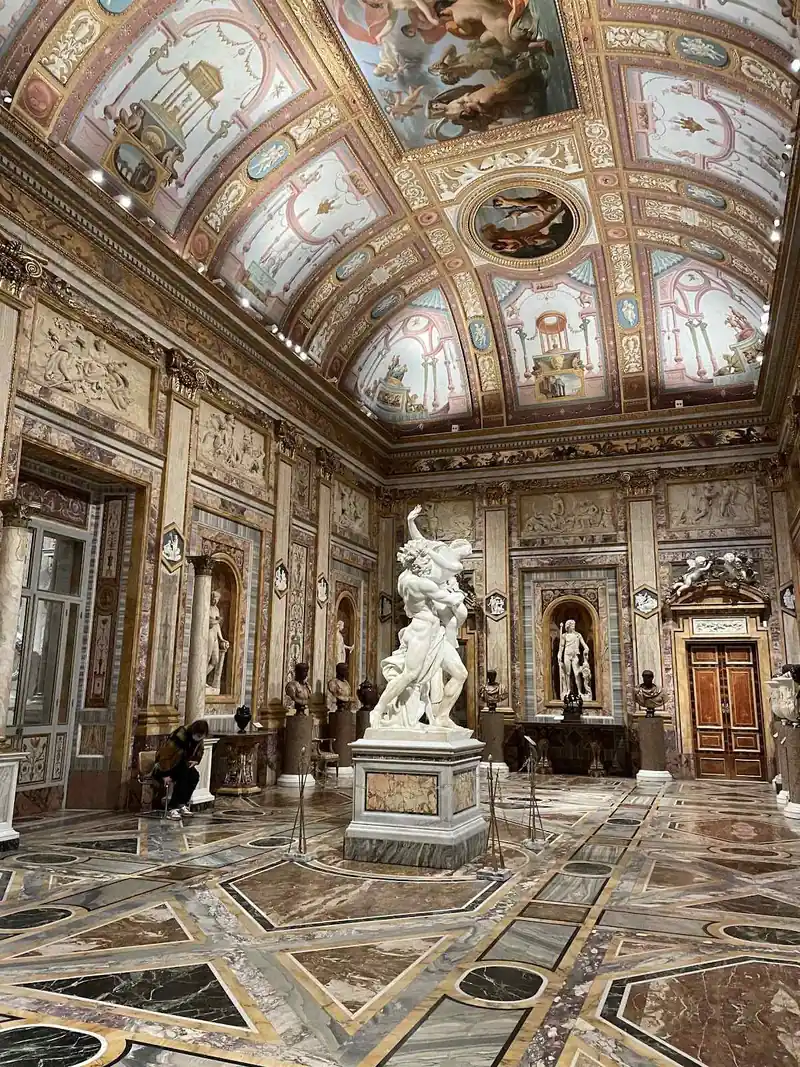
Galleria Borghese
Cardinal Scipione Borghese's 1613 Suburban Villa Showcasing Bernini's Marble Miracles and Six Caravaggios — Built between 1613 and 1616 by Flaminio Ponzio and Giovanni Vasanzio inside Villa Borghese park as the pleasure casino of Cardinal Scipione Borghese—nephew of Pope Paul V and Rome's most ruthless art collector—the Galleria Borghese displays masterpieces in the exact frescoed salons for which they were commissioned. Here stand Gian Lorenzo Bernini's youth sculptures ('Apollo and Daphne', 'The Rape of Proserpina', and 'David'), Canova's 'Paolina Bonaparte', Raphael's 'Deposition', Titian's 'Sacred and Profane Love', and six paintings by Caravaggio.
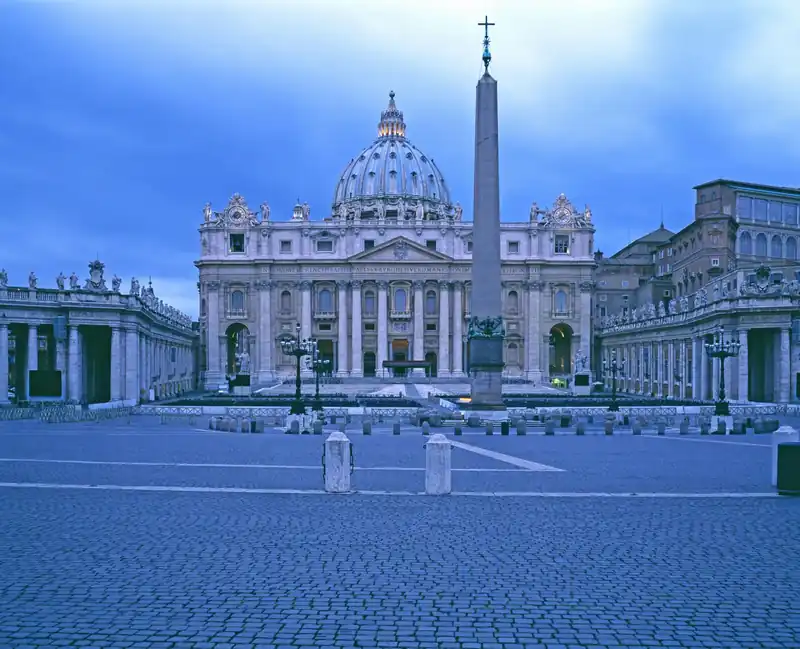
St. Peter’s Basilica
St. Peter’s Basilica is one of the largest churches in the world and a masterpiece of Renaissance architecture. It is an important pilgrimage site and a major attraction in Vatican City.
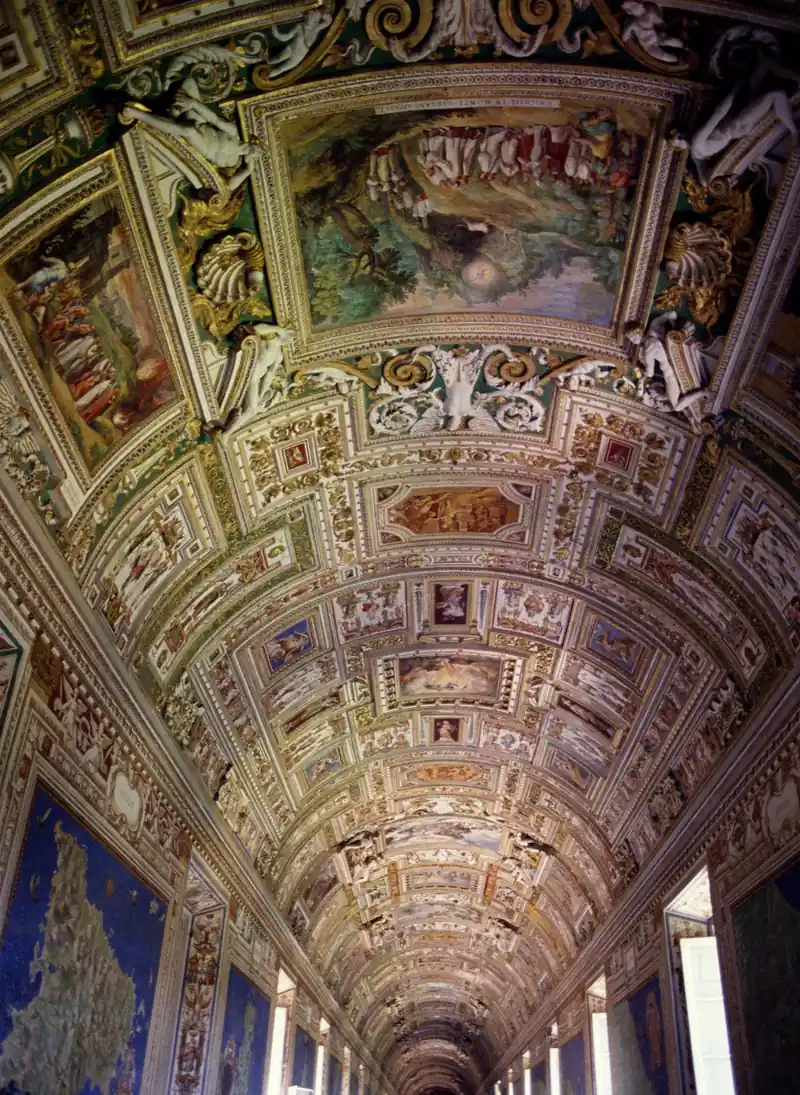
Vatican Museums
The Vatican Museums house one of the most important art collections in the world, including the Sistine Chapel painted by Michelangelo. It attracts millions of visitors each year.
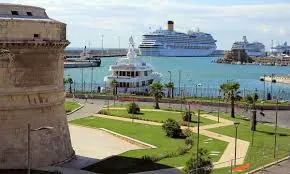
Civitavecchia Port
The Port of Civitavecchia is one of the largest cruise ports in the Mediterranean and serves as the main maritime gateway to Rome. Thousands of cruise passengers pass through the port each day when ships dock along the Italian coast. The harbor dates back to Roman times and was expanded during the reign of Emperor Trajan. Today it functions as an important hub for cruise ships, ferries, and cargo transport connecting Italy with other Mediterranean destinations.
