Capitoline Museums (Rome)
The Capitoline Museums are considered the oldest public museums in the world, dating back to the 15th century. Located on Capitoline Hill, they house an extraordinary collection of ancient Roman sculptures and artifacts. Highlights include the Capitoline Wolf, the equestrian statue of Marcus Aurelius, and panoramic views over the Roman Forum from the museum terraces.
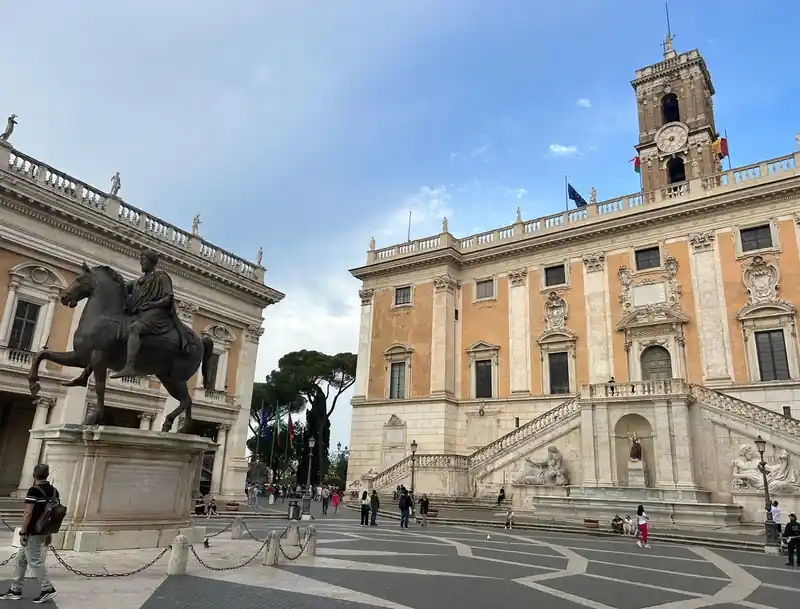
Visitor Information & Practical Details
- Place NameCapitoline Museums (Rome)
- AddressPiazza del Campidoglio, 1, 00186 Rome, Italy
- Opening Hours AM 9:30~PM 7:30
- Admission / Pricehttps://www.museicapitolini.org/en/informazioni_pratiche/biglietti_e_videoguide
- Phone+39060608
- Official Websitehttps://www.museicapitolini.org/en/informazioni_pratiche/biglietti_e_videoguide
- GPS Coordinates41.89299, 12.48255
Best Itinerary Visiting Capitoline Museums (Rome)
Combine Capitoline Museums (Rome) with nearby landmarks using our step-by-step walking and transit route.
Places Near Capitoline Museums (Rome)
Build your own custom walking route in the MyGuide app by combining these nearby stops.
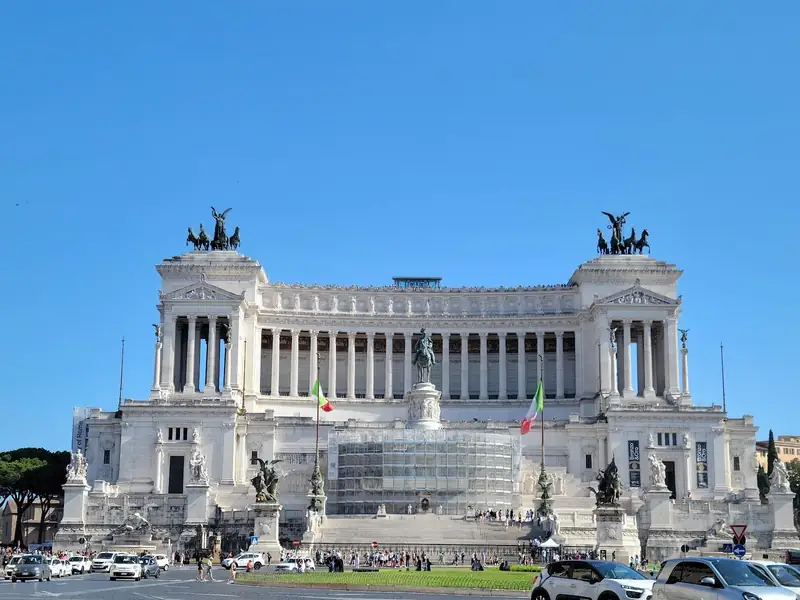
Altar of the Fatherland
White Botticino Marble Colonnade on Piazza Venezia Honouring Unified Italy's First King and Unknown Soldier — Designed by Giuseppe Sacconi in 1885 and inaugurated in 1911 on the northern slope of the Capitoline Hill overlooking Piazza Venezia, the Vittoriano celebrates King Victor Emmanuel II and the Risorgimento unification of Italy. Crowned by twin bronze quadriga chariots soaring 81 meters above the street, its gleaming white Botticino marble stairways cradle the eternal flame of Italy's Tomb of the Unknown Soldier (1921) and a panoramic glass elevator ride to the rooftop terrace.
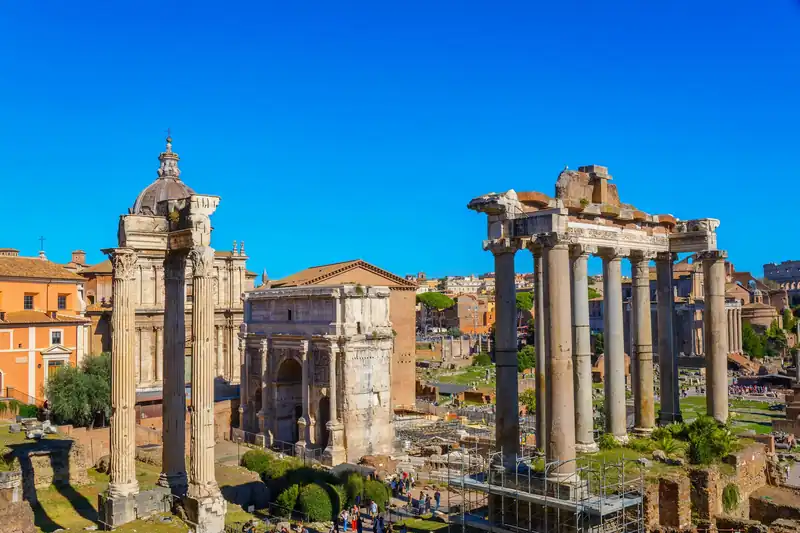
Roman Forum (Foro Romano)
The Roman Forum was the center of political, religious, and social life in ancient Rome. Visitors can explore ruins of temples, basilicas, and government buildings dating back over 2,000 years.
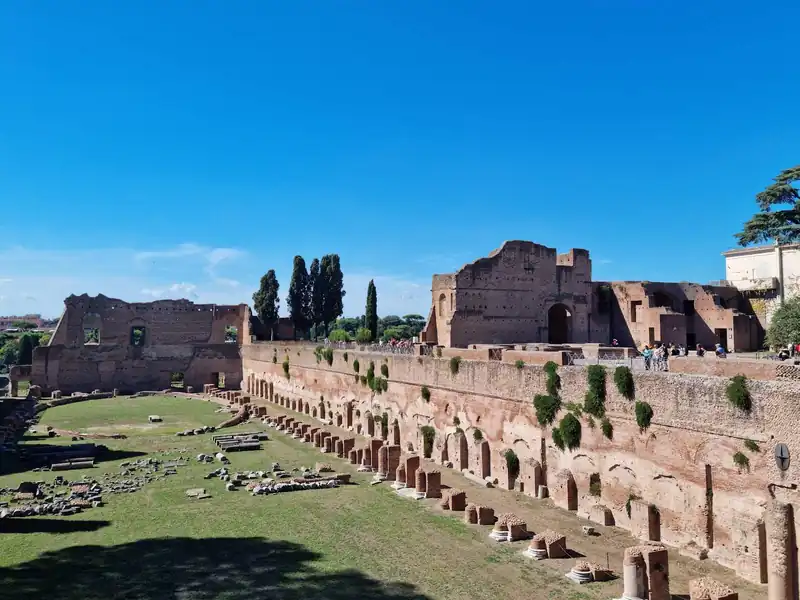
Palatine Hill
Birthplace of Rome Where Romulus Traced the First City Walls and Emperors Built Their Palaces — Rising 40 meters above the Roman Forum on one side and the Circus Maximus on the other, the Palatine is the central hill of the Seven Hills of Rome and the legendary site where the she-wolf nursed Romulus and Remus before Romulus founded the city in 753 BC. From Emperor Augustus onward it became the imperial residence—giving every European language the word 'palace' from 'Palatium'—with the monumental brick ruins of the Domus Augustana, Domus Flavia, and Stadium of Domitian still crowning its pine-shaded plateau.
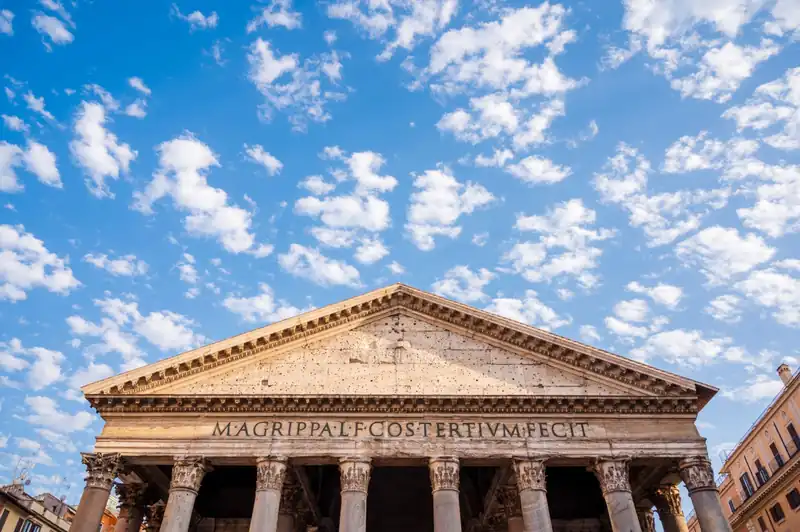
Pantheon (Rome)
The Pantheon is one of the best-preserved monuments of ancient Rome. Built around AD 126, it is famous for its massive concrete dome and central oculus that opens to the sky.
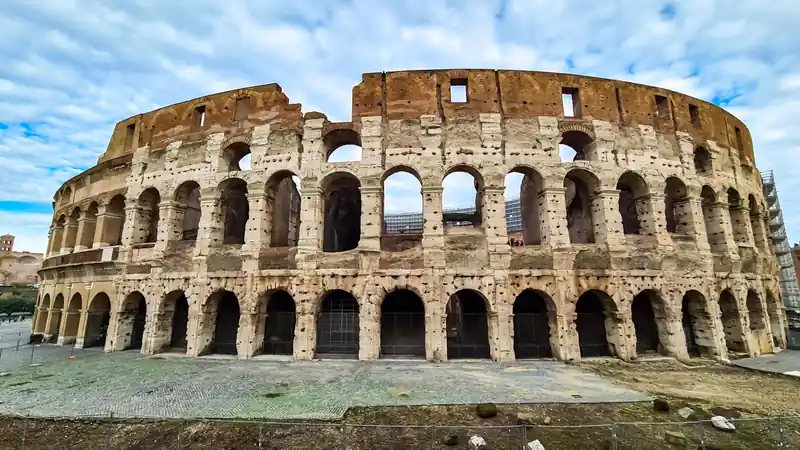
Colosseum
The Colosseum is the largest ancient amphitheater ever built and one of the most iconic landmarks in Rome. Completed in AD 80, it was used for gladiator contests and public spectacles. Today, it is one of the most visited monuments in the world.
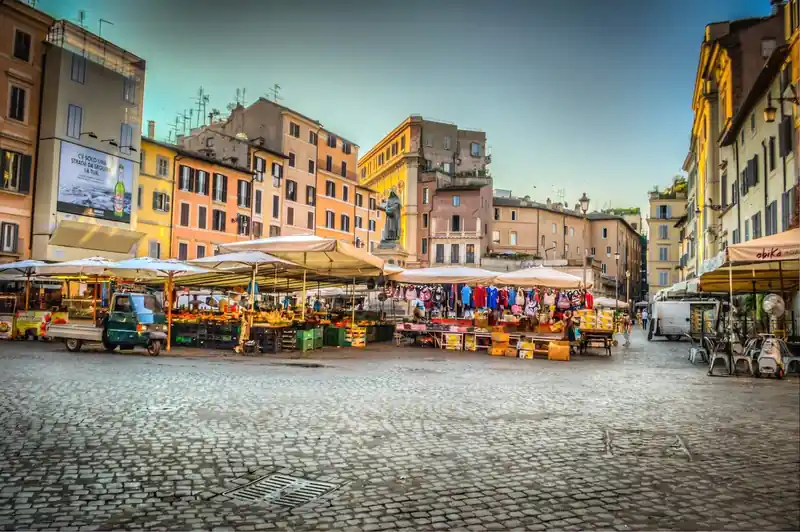
Campo de Fiori
Rome's Lively Morning Produce Market Since 1869 Watched Over by the Hooded Statue of Giordano Bruno — Meaning 'Field of Flowers' after the medieval meadow that existed here until Pope Callixtus III paved it in 1456, Campo de' Fiori is the only major historic square in Rome without a church. Every morning since 1869 it bursts into color with stalls of Roman artichokes, fruit, spices, and flowers around the 1889 bronze monument by Ettore Ferrari honoring philosopher Giordano Bruno, who was burned at the stake on this very spot in 1600 for defending cosmic infinity.
