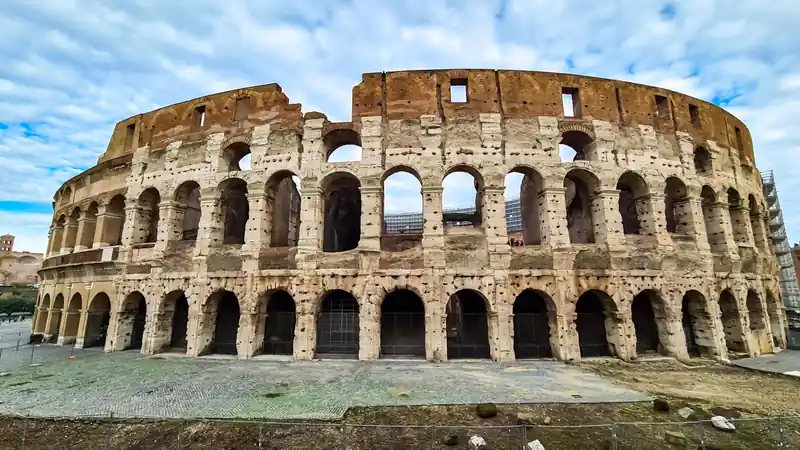
The Colosseum is the largest ancient amphitheater ever built and one of the most iconic landmarks in Rome. Completed in AD 80, it was used for gladiator contests and public spectacles. Today, it is one of the most visited monuments in the world.
Gladiators of the Colosseum, Imperial Palaces on the Palatine, Triumphal Arches of the Forum, and Michelangelo's Capitol — Rome: Colosseum → Palatine Hill → Roman Forum (Foro Romano) → Capitoline Museums (Rome) → Altar of the Fatherland.
Tap any landmark to check full opening hours, admission fees, and nearby spots.
The Colosseum is the largest ancient amphitheater ever built and one of the most iconic landmarks in Rome. Completed in AD 80, it was used for gladiator contests and public spectacles. Today, it is one of the most visited monuments in the world.
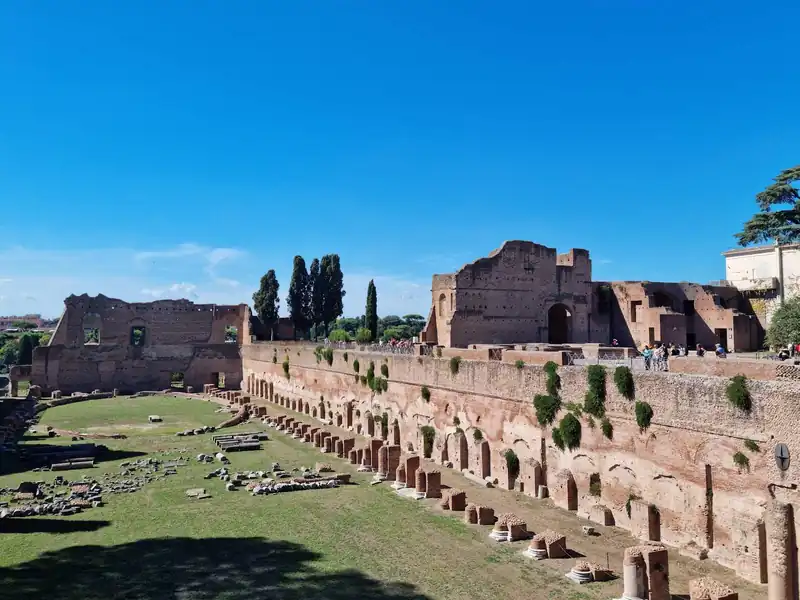
Birthplace of Rome Where Romulus Traced the First City Walls and Emperors Built Their Palaces — Rising 40 meters above the Roman Forum on one side and the Circus Maximus on the other, the Palatine is the central hill of the Seven Hills of Rome and the legendary site where the she-wolf nursed Romulus and Remus before Romulus founded the city in 753 BC. From Emperor Augustus onward it became the imperial residence—giving every European language the word 'palace' from 'Palatium'—with the monumental brick ruins of the Domus Augustana, Domus Flavia, and Stadium of Domitian still crowning its pine-shaded plateau.
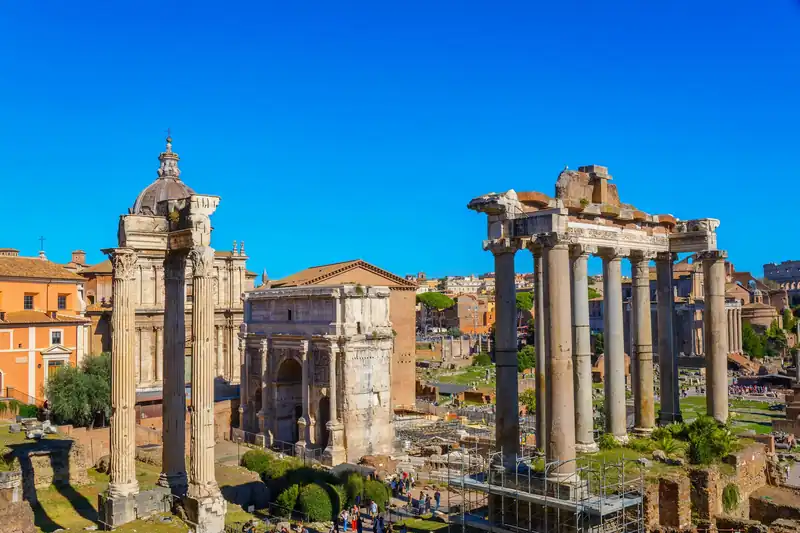
The Roman Forum was the center of political, religious, and social life in ancient Rome. Visitors can explore ruins of temples, basilicas, and government buildings dating back over 2,000 years.
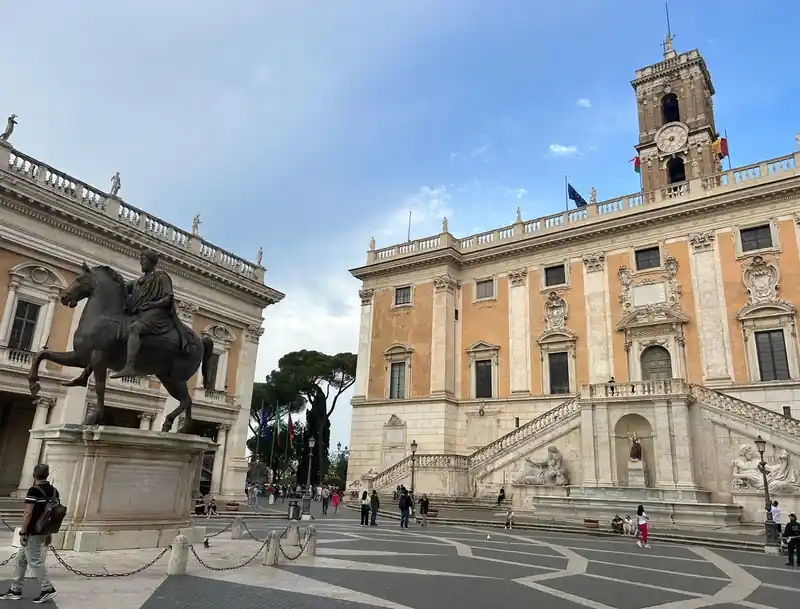
The Capitoline Museums are considered the oldest public museums in the world, dating back to the 15th century. Located on Capitoline Hill, they house an extraordinary collection of ancient Roman sculptures and artifacts. Highlights include the Capitoline Wolf, the equestrian statue of Marcus Aurelius, and panoramic views over the Roman Forum from the museum terraces.
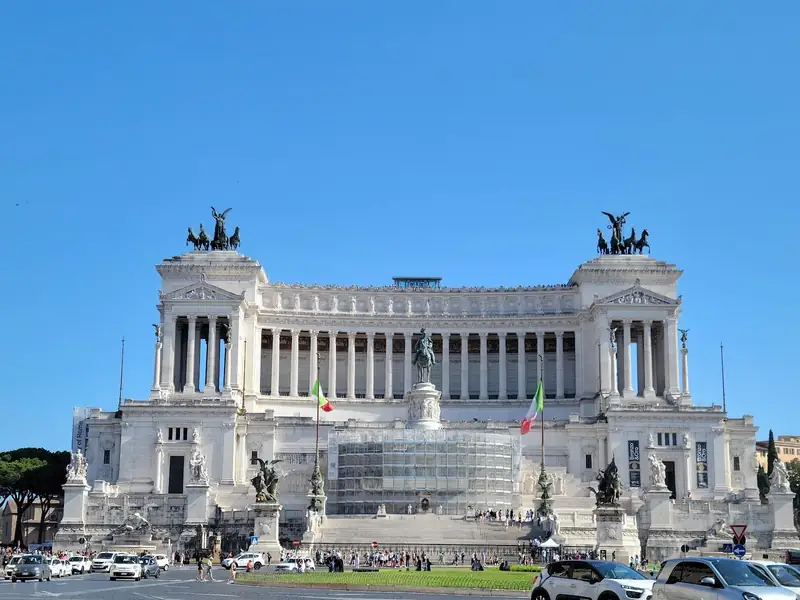
White Botticino Marble Colonnade on Piazza Venezia Honouring Unified Italy's First King and Unknown Soldier — Designed by Giuseppe Sacconi in 1885 and inaugurated in 1911 on the northern slope of the Capitoline Hill overlooking Piazza Venezia, the Vittoriano celebrates King Victor Emmanuel II and the Risorgimento unification of Italy. Crowned by twin bronze quadriga chariots soaring 81 meters above the street, its gleaming white Botticino marble stairways cradle the eternal flame of Italy's Tomb of the Unknown Soldier (1921) and a panoramic glass elevator ride to the rooftop terrace.
Campo de Fiori → Piazza Navona → Pantheon (Rome) → Trevi Fountain → Spanish Steps (Scalinata di Trinità dei Monti) → Galleria Borghese
Vatican Museums → St. Peter’s Basilica → Castel Sant’Angelo (Rome) → Gianicolo Hill (Janiculum Hill, Rome) → Trastevere (Rome)
