Explore Seoul Like a Local
Seoul, the vibrant capital of South Korea, seamlessly blends centuries-old palaces and hanok villages with futuristic skyscrapers and neon-lit streets. Wander through the historic halls of Gyeongbokgung Palace, get lost in the maze-like alleys of Bukchon Hanok Village, then dive into the energetic shopping and street food scenes of Myeongdong and Hongdae. As the heart of the global Hallyu wave, the city offers K-pop culture, cutting-edge fashion, and world-class cuisine at every turn. Stroll along the Han River at sunset, ride the cable car up Namsan Tower for panoramic views, or unwind in a traditional jjimjilbang sauna. With its efficient subway system, welcoming locals, and round-the-clock energy, Seoul is a dynamic destination where tradition and innovation exist side by side.
Seoul Landmarks & Walking Course Map
Click any marker to preview the landmark, or select a course below to trace its step-by-step route on the map.
Recommended Walking & Transit Courses in Seoul
Follow ready-made routes with exact walking distances, transit lines, and estimated durations.
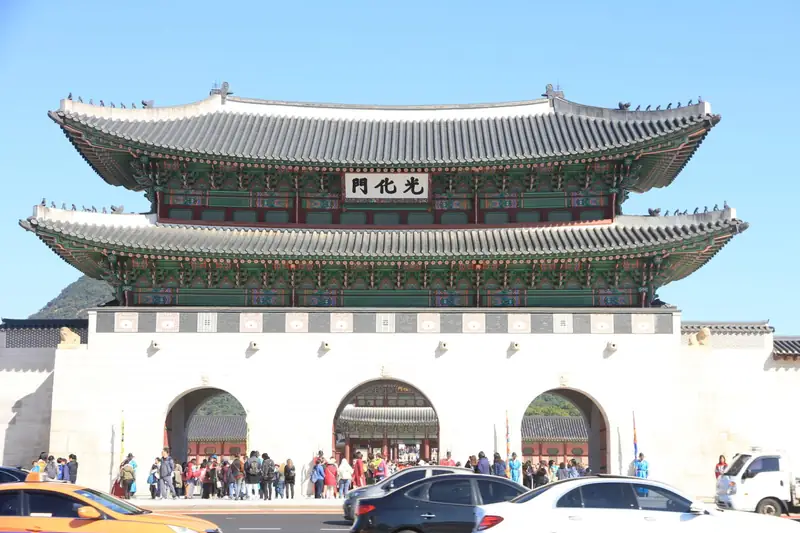
A Joseon-era palace and hanok village history walk
Gyeongbokgung Palace → Bukchon Hanok Village → Insadong Street
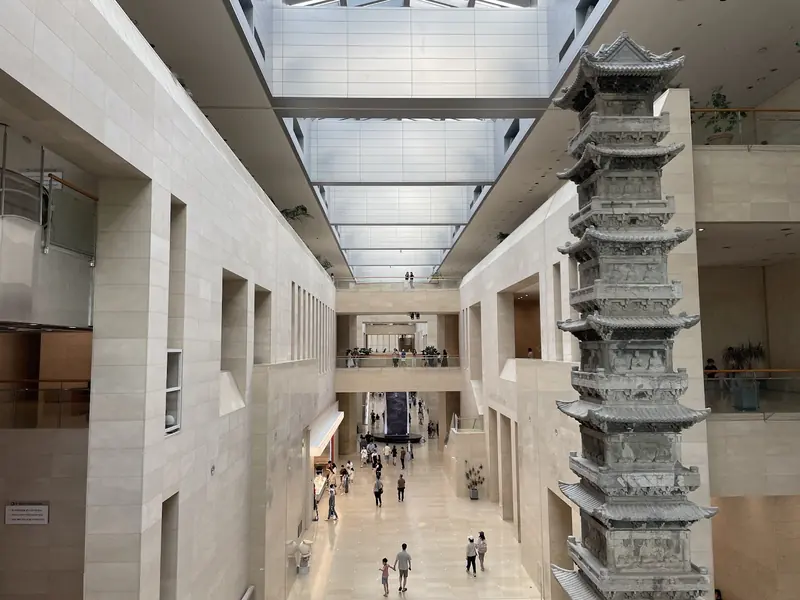
From museums to Seoul's night skyline
National Museum of Korea → The War Memorial of Korea → N Seoul Tower → Myeong-dong Cathedral
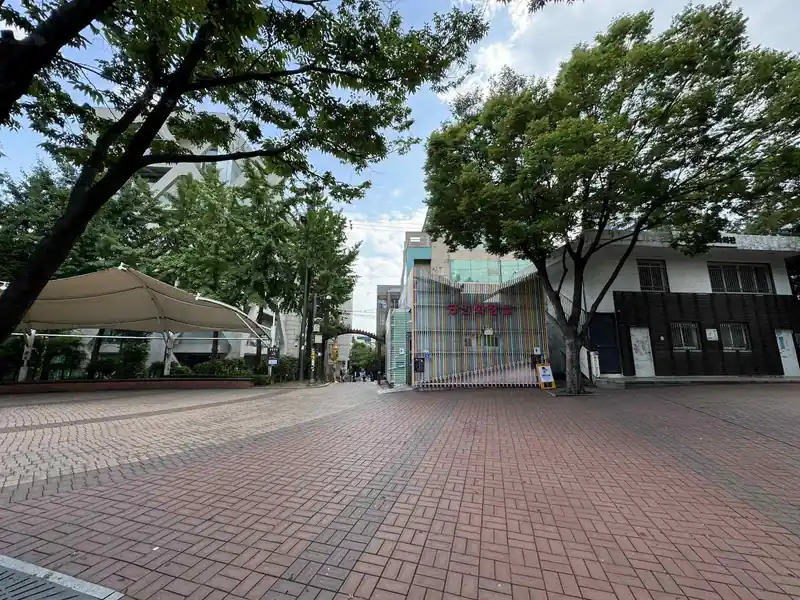
Youth culture, books, and a green railway path
Hongdae Playground → Gyeongui Line Book Street → Gyeongui Line Forest Park
A multicultural walk through Itaewon's old and new sides
Itaewon Antique Furniture Street → Seoul Central Mosque → Gyeongnidan-gil Street
From urban forest to Seongsu's reborn factory district
Seoul Forest Park → Seongsu-dong Cafe Street → Common Ground
Modern architecture meets a century-old market
Dongdaemun Design Plaza (DDP) → Gwangjang Market
Places to Visit in Seoul (30)
Click any landmark for opening hours, ticket prices, walking routes, and nearby attractions.
N Seoul Tower
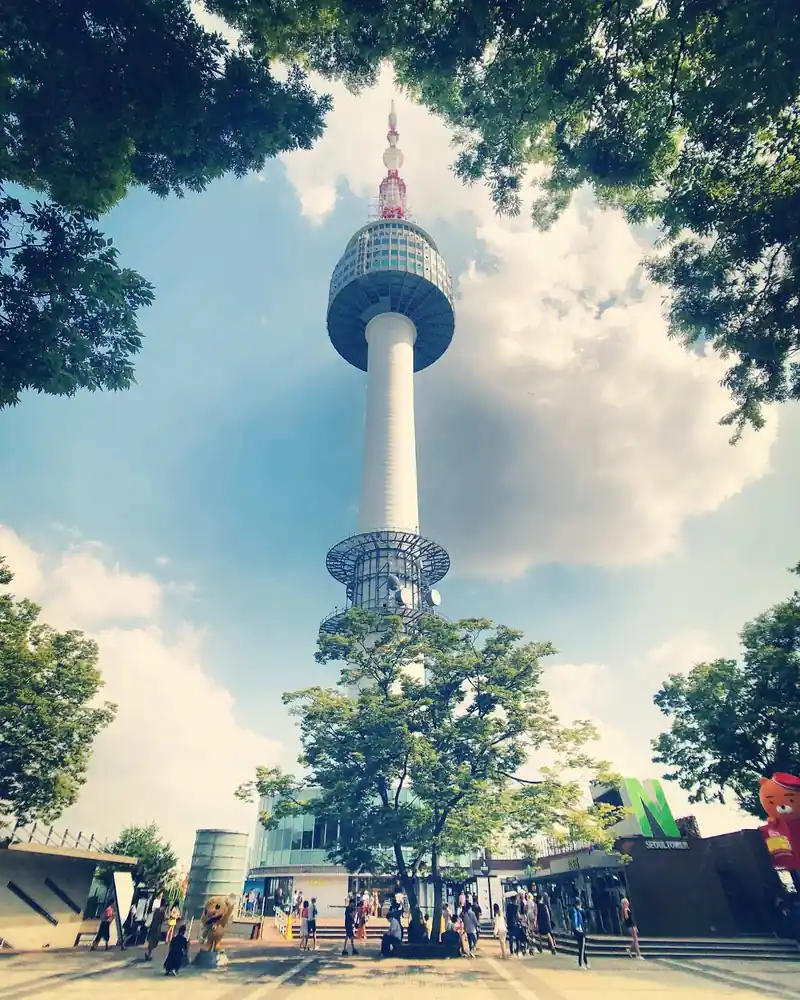
N Seoul Tower is a 236.7-metre communications and observation tower atop Namsan Mountain in central Seoul, opened to the public in 1980 and long a symbol of the city. Visitors ride a cable car or hike up Namsan Park before taking an elevator to the observation deck for panoramic views of Seoul, and the surrounding railings are famous for thousands of padlocks left by couples as a symbol of lasting love. The tower also has restaurants, a gift shop, and colorful nightly LED lighting displays visible across the city.
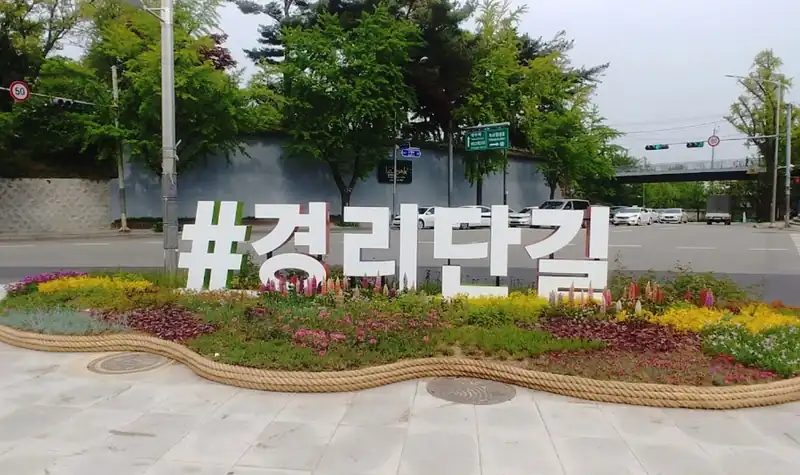
Gyeongnidan-gil Street
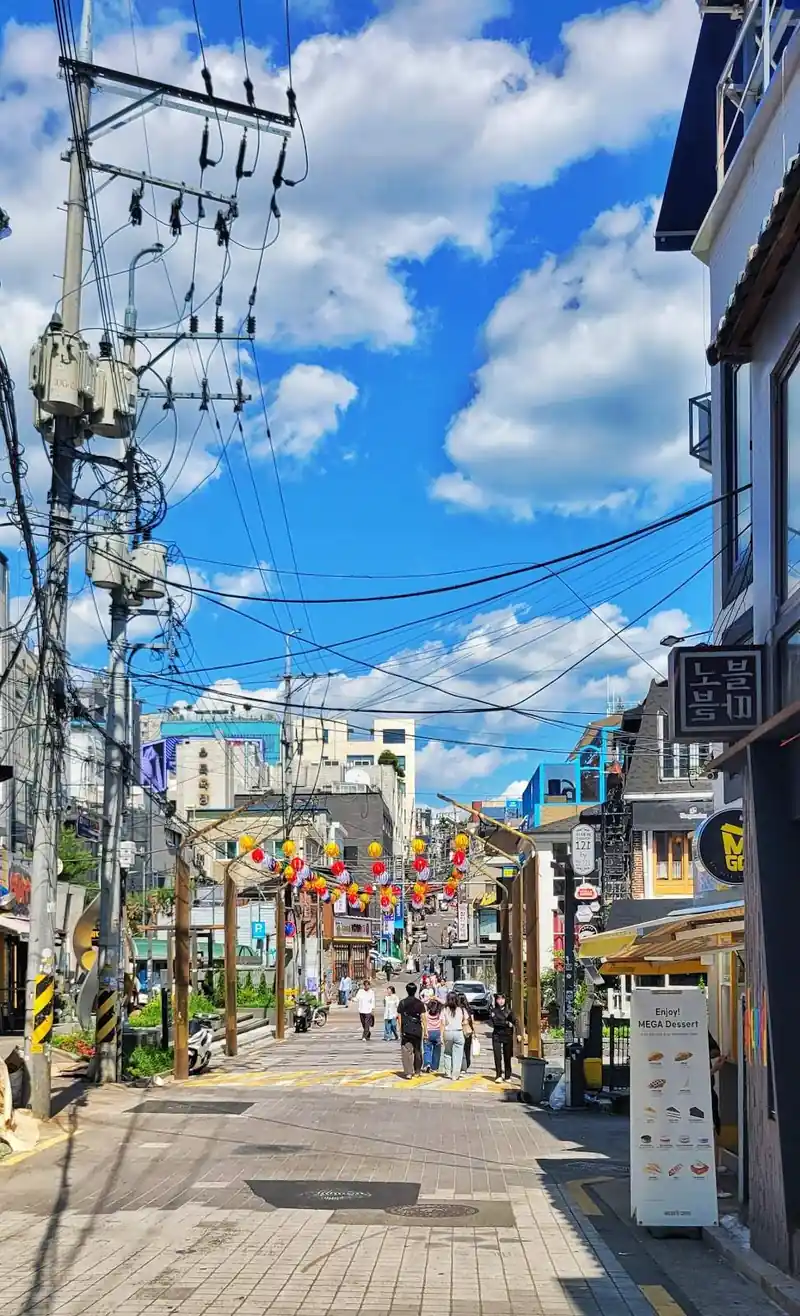
Gyeongnidan-gil is a hillside street in Itaewon-dong, Yongsan District, that rose to fame in the 2010s as one of Seoul's trendiest strips of independent cafes, craft bars, and international restaurants, taking its name from the nearby Army Finance Command (Gyeongnidan). Narrow lanes branching off the main slope are lined with small boutiques and eateries run by young entrepreneurs, drawing comparisons to Brooklyn-style gentrifying neighborhoods, and its popularity has since spawned copycat 'gil' streets named after it elsewhere in Korea. Though foot traffic has fluctuated with Seoul's ever-shifting trends, it remains a popular spot for cafe-hopping and photos.
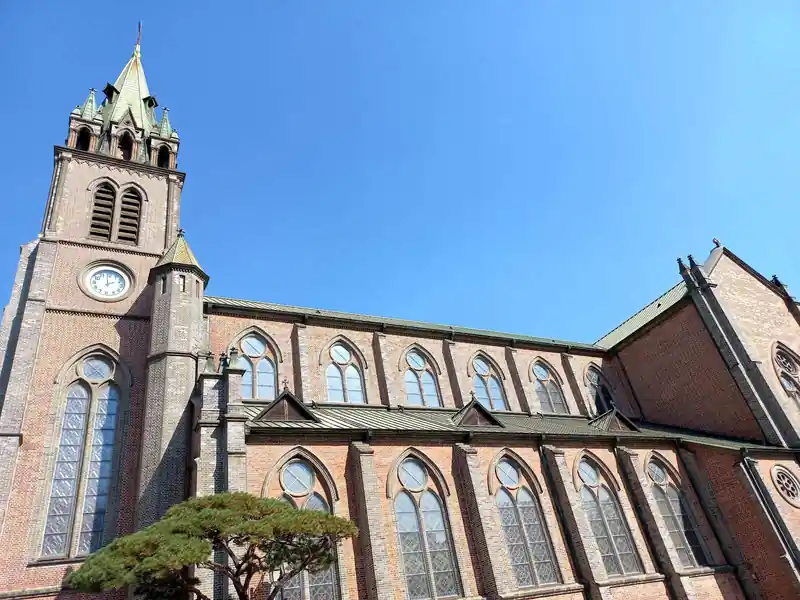
Myeong-dong Cathedral
Myeong-dong Cathedral is the oldest Gothic-style Catholic cathedral in Korea and the seat of the Archdiocese of Seoul, completed in 1898 in the heart of the Myeongdong shopping district. Built with red and grey brick imported largely from China, its soaring spire and vaulted interior have made it a symbol of both Catholic faith and, historically, of pro-democracy movements in Korea. The cathedral grounds also hold a small museum and the tomb of Korea's first bishop, and the site remains an active parish welcoming visitors between services.
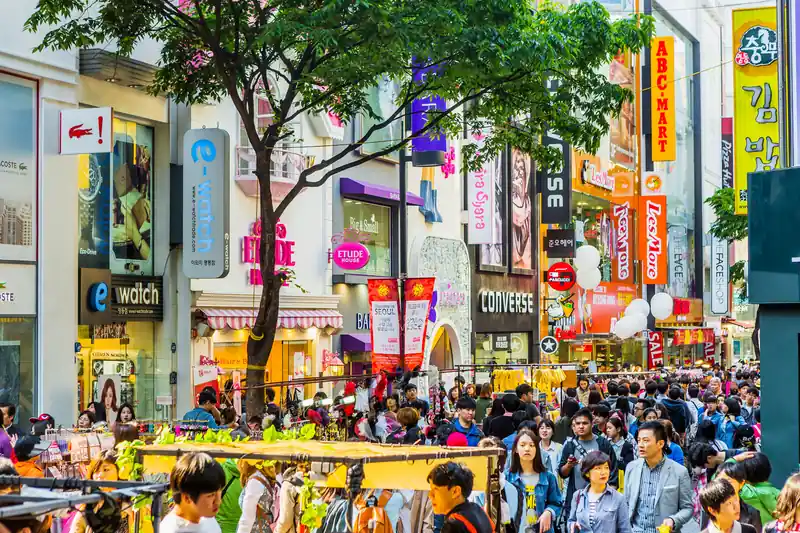
Myeongdong Shopping Street
Myeongdong is one of the most popular shopping and street food areas in Seoul. Visitors can find global brands, Korean cosmetics, fashion shops, and a wide variety of street food stalls. It is especially popular with international travelers.
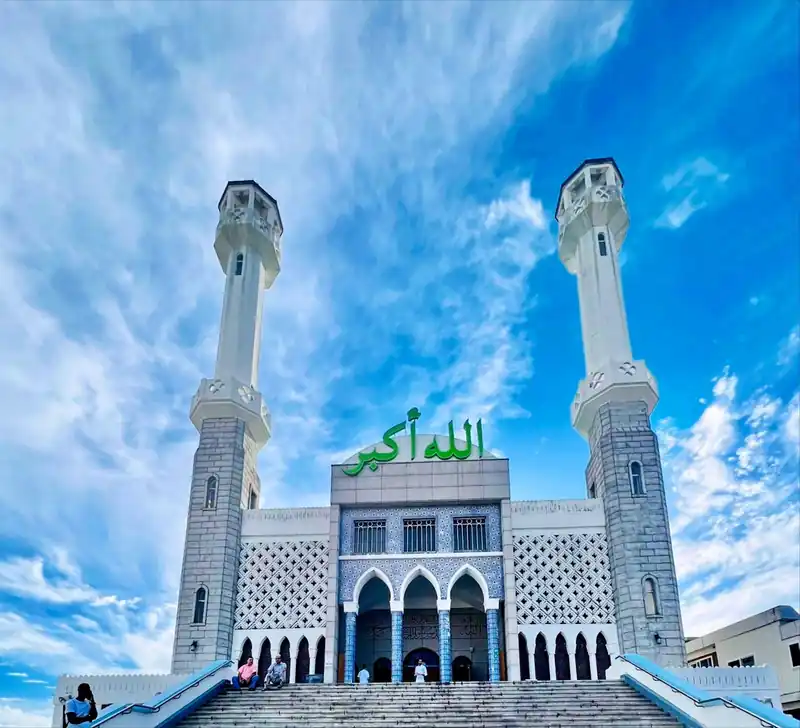
Seoul Central Mosque
Seoul Central Mosque, completed in 1976 on a hillside above Itaewon in Yongsan District, is South Korea's first and largest mosque, serving as the spiritual center for the country's Muslim community and a hub of the surrounding Islamic Quarter's halal restaurants and shops. Built with donations from Saudi Arabia, Malaysia, and other Muslim-majority nations, its minaret and dome are visible across the neighborhood, and the mosque welcomes visitors of all faiths outside prayer times, with modest dress requested. The surrounding streets offer a distinctly multicultural slice of Seoul, reflecting decades of immigration and the presence of the nearby US military base.
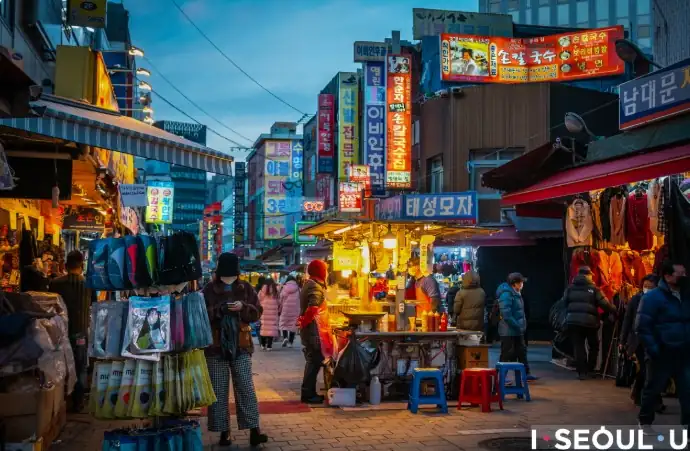
Namdaemun Market
Namdaemun Market is the largest and oldest traditional market in Seoul. Visitors can enjoy street food, local snacks, clothing, and everyday goods in a lively atmosphere.
Itaewon Antique Furniture Street
Itaewon Antique Furniture Street is a cluster of specialty shops in the Itaewon-dong area of Yongsan District, Seoul, that has sold Korean and Asian antique furniture, folk crafts, and vintage decor for decades. Longstanding stores line the street selling traditional wooden chests (bandaji), lacquerware, and restored hanok-era furnishings alongside curios collected from across Korea, drawing both serious collectors and casual browsers. The street reflects an older, less touristy side of Itaewon than its nightlife strip, appealing to visitors interested in Korean craftsmanship and interior design.
Dongdaemun Design Plaza (DDP)
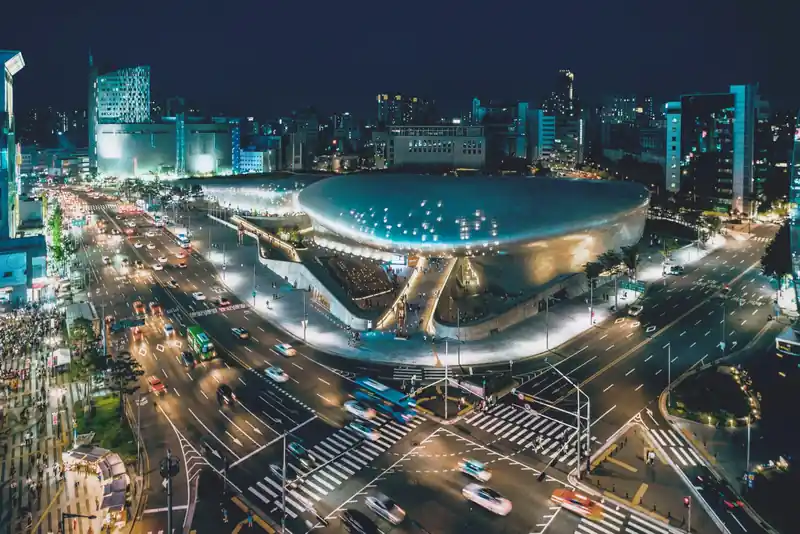
Dongdaemun Design Plaza is a landmark cultural complex known for its futuristic architecture. It hosts design exhibitions, events, and public cultural programs.
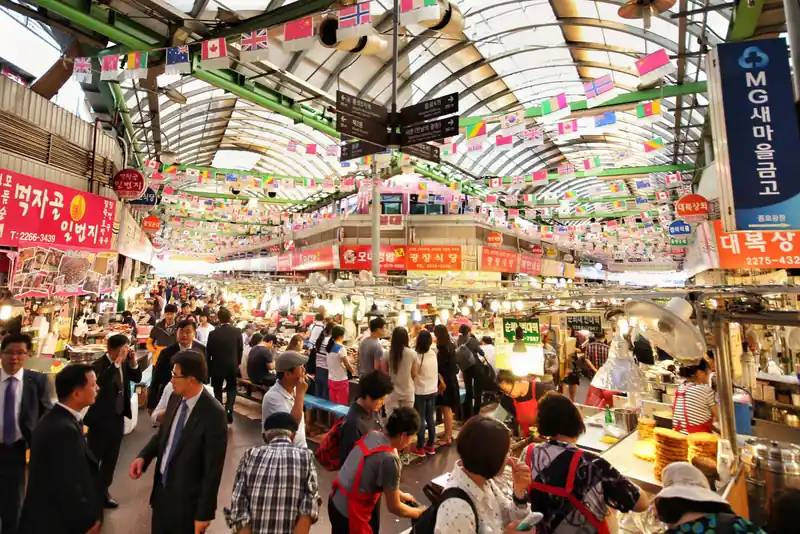
Gwangjang Market
Gwangjang Market is one of the oldest traditional markets in Seoul and is famous for its street food. Visitors can enjoy local dishes such as bindaetteok, gimbap, and noodles while experiencing a lively market atmosphere. It is a popular destination for food tours and local culture experiences.
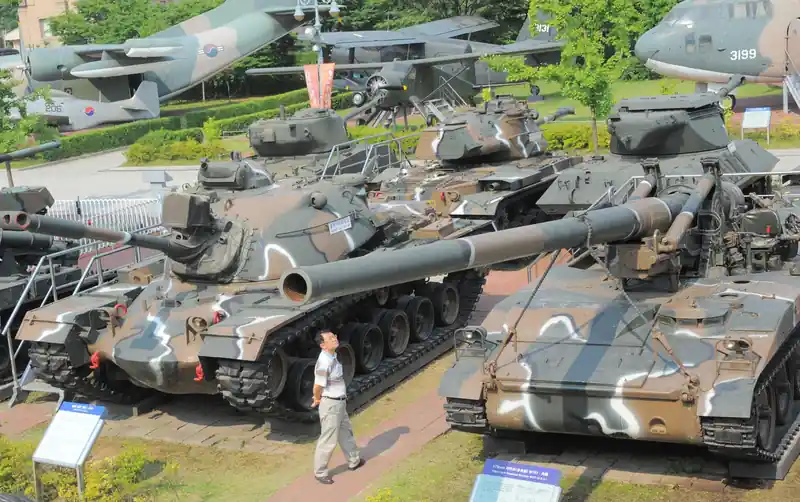
The War Memorial of Korea
The War Memorial of Korea is a large national museum that presents the military history of Korea, including the Korean War. Visitors can explore indoor exhibitions and outdoor displays of military equipment.
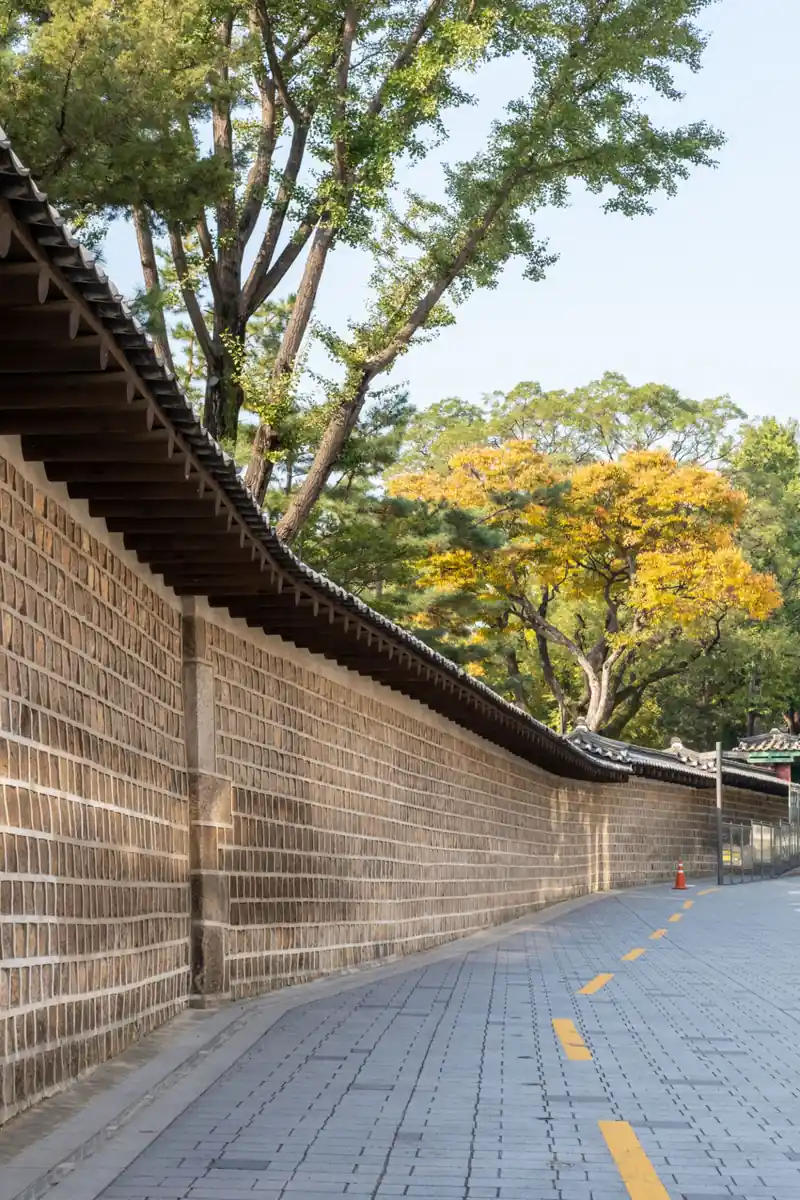
Deoksugung Palace
Deoksugung Palace is a historic royal palace known for its unique mix of traditional Korean and Western-style buildings. The nearby stone wall road is one of the most popular walking routes in central Seoul.
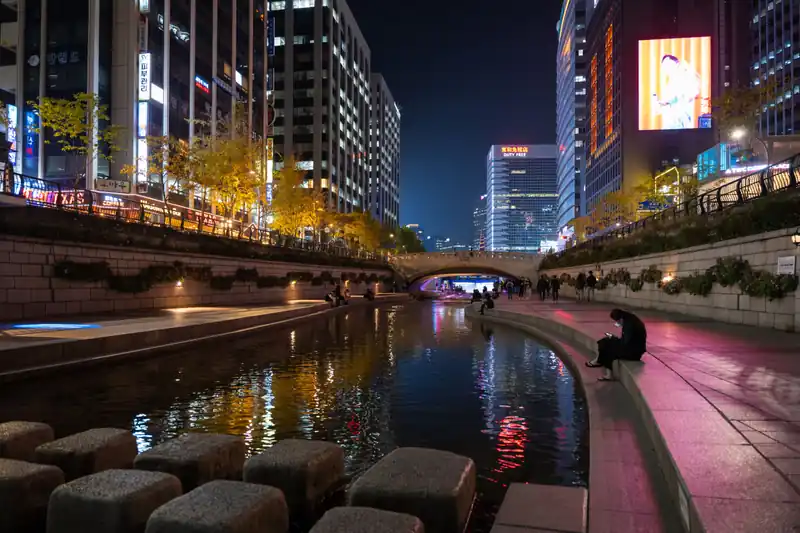
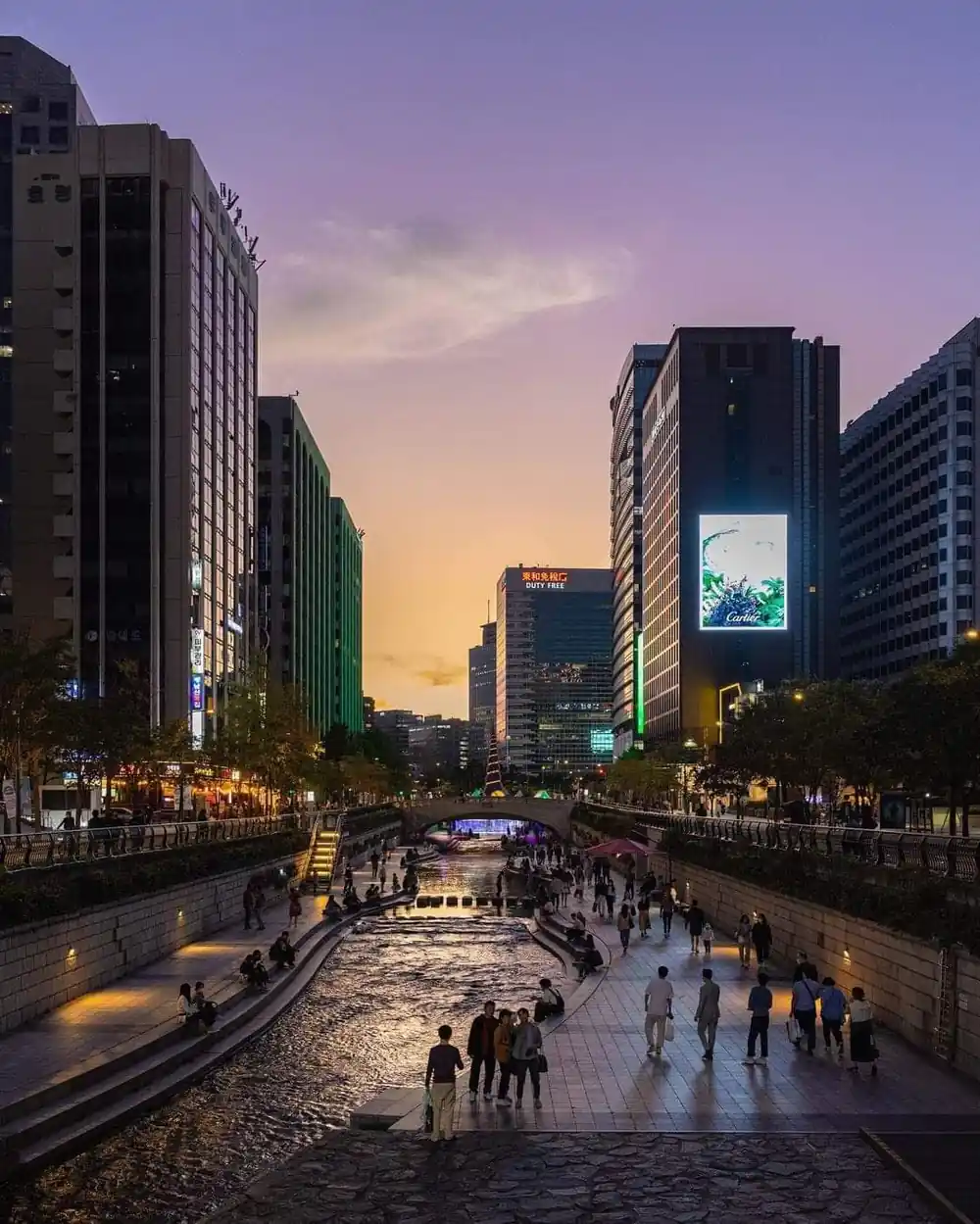
Cheonggyecheon Stream
Cheonggyecheon Stream is a restored urban stream running through the center of Seoul. It offers walking paths, small bridges, and relaxing scenery between busy city streets. The stream is popular for short walks, night views, and casual city experiences.
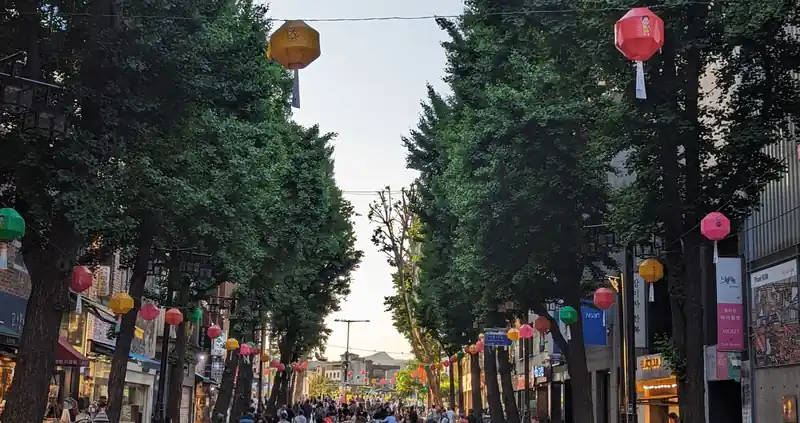
Insadong Street
Insadong Street is a cultural shopping street famous for traditional crafts, souvenirs, tea houses, and galleries. It is one of the best places to experience traditional culture in the center of Seoul.
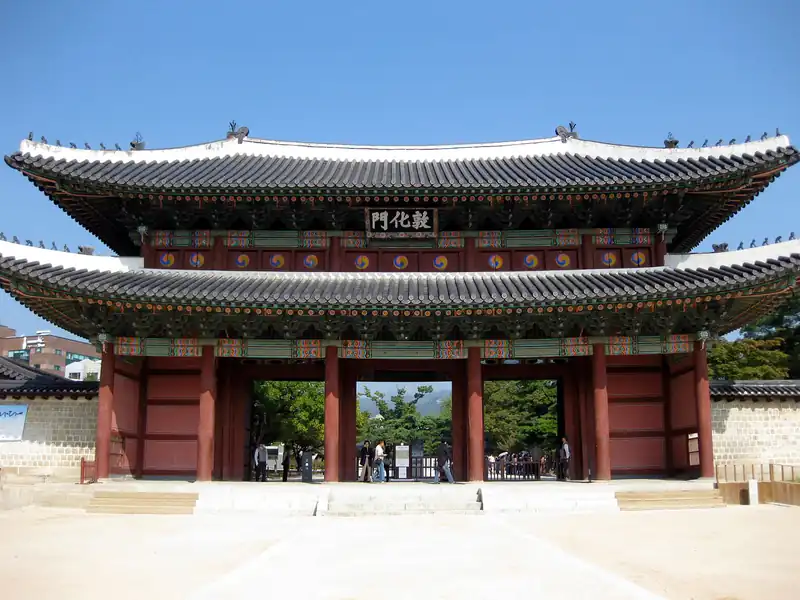
Changdeokgung Palace
Changdeokgung Palace is a UNESCO World Heritage site and one of the best-preserved royal palaces of the Joseon Dynasty. It is especially famous for its natural layout and the Secret Garden (Huwon).
National Museum of Korea
The National Museum of Korea, in Yongsan, Seoul, is the country's flagship museum and one of the largest in Asia, housing more than 400,000 artifacts that trace Korean history and art from prehistory to the modern era. Highlights include the ten-story Gyeongcheonsa Pagoda, gilt-bronze Buddhist statues, Goryeo celadon ceramics, and Joseon Dynasty paintings and calligraphy. The museum also features a reflecting pool, extensive gardens, and views of N Seoul Tower from the Mirror Pond, and general admission to the permanent exhibitions is free.
Seoul Forest Park
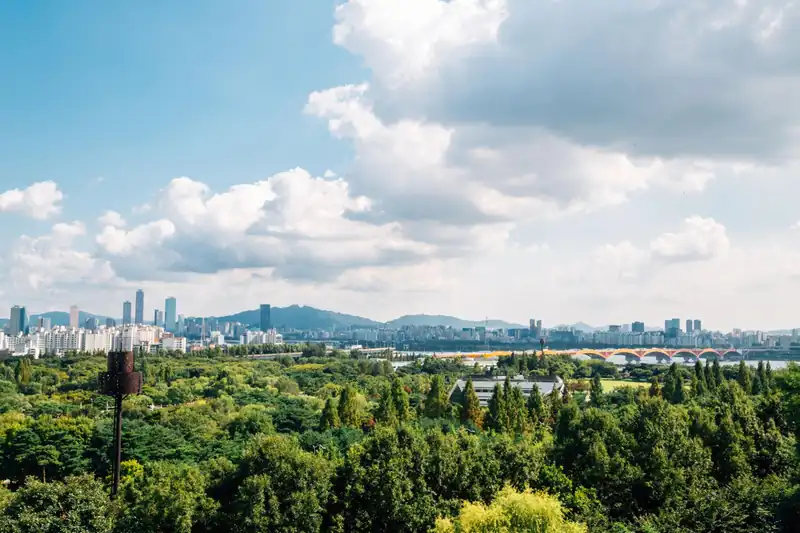
Seoul Forest Park is one of the largest urban parks in Seoul, offering wide green spaces, walking paths, and ecological areas. It is popular for relaxing walks, picnics, and casual outdoor activities.
Gyeongbokgung Palace
Gyeongbokgung Palace is the main royal palace of the Joseon Dynasty and one of the most important historical landmarks in Seoul. Visitors can explore traditional palace buildings, large courtyards, and beautiful mountain backdrops. It is also well known for the royal guard changing ceremony held at the main gate.
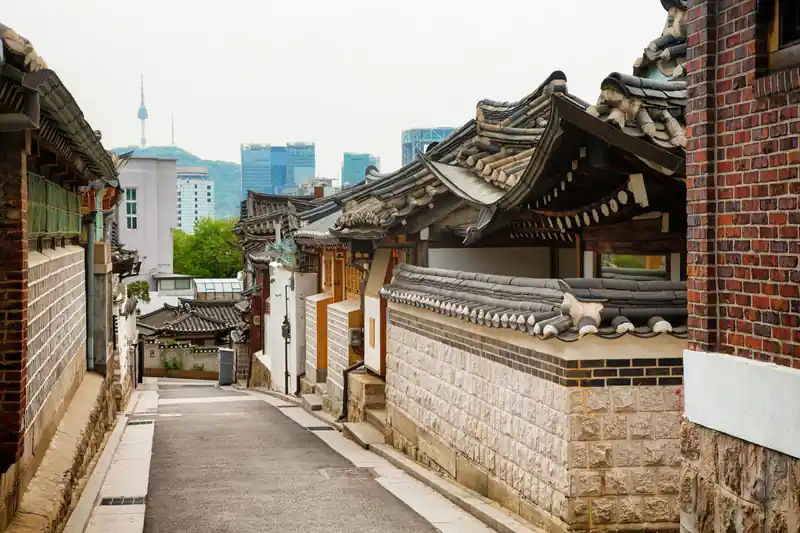
Bukchon Hanok Village
Bukchon Hanok Village is a traditional residential area where many historic Korean houses, called hanok, are preserved. The village is located between major palaces and offers narrow streets, scenic viewpoints, and cultural experiences. It is a popular place for walking tours and photography.
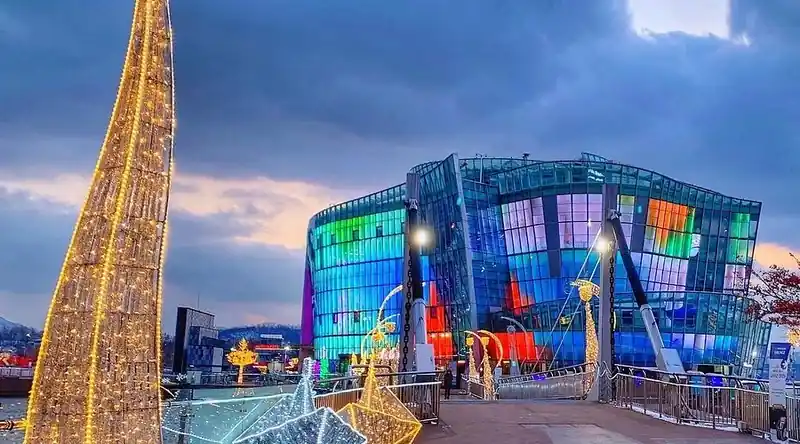
Sebitseom (Some Sevit)
Sebitseom is a floating cultural complex located on the Han River. The site features modern architecture, restaurants, cafés, and event spaces with river views. It is especially popular for night views, photography, and relaxed riverside walks.
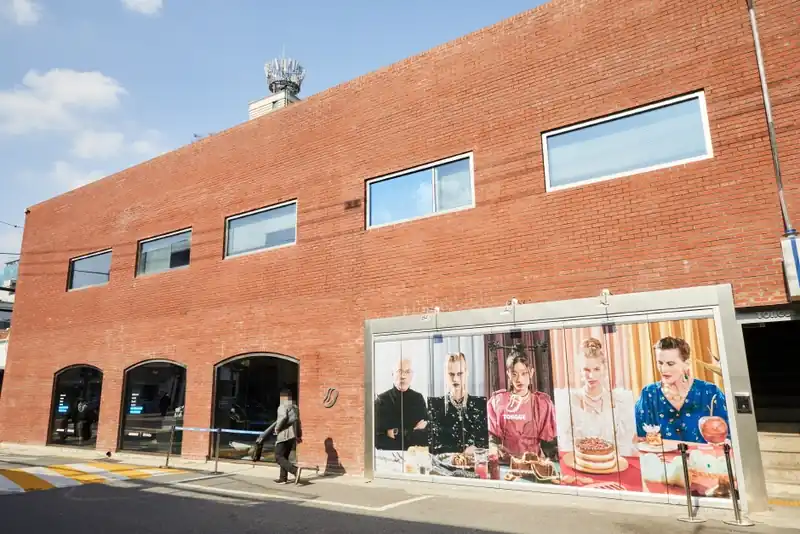
Seongsu-dong Cafe Street
Seongsu-dong Cafe Street is a trendy neighborhood known for its renovated factory buildings and unique cafés. The area is popular for street fashion, design shops, and creative local brands. It is a great place to experience Seoul’s modern lifestyle and café culture.
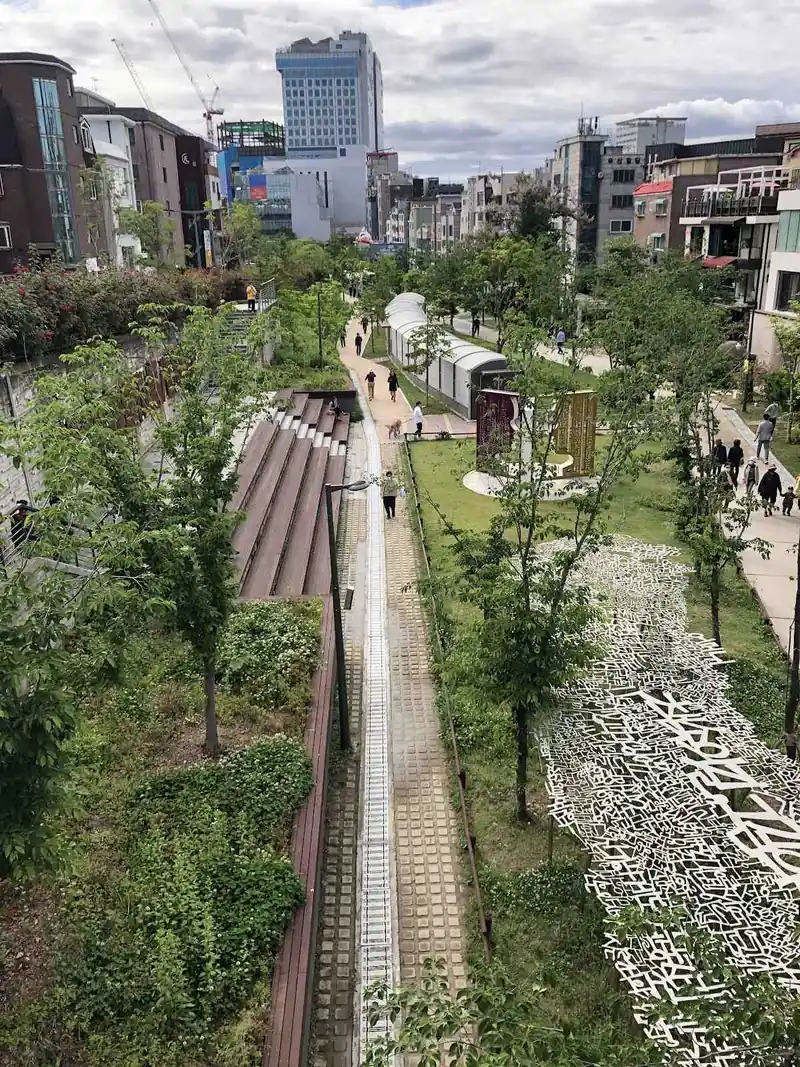
Gyeongui Line Book Street
Gyeongui Line Book Street is a pedestrian book-themed promenade built atop a disused stretch of the old Gyeongui railway line near Hongik University Station in Mapo District, Seoul. Opened in 2016, the roughly 250-metre street is lined with bookshop-style pavilions, publisher pop-ups, secondhand book stalls, cafes, and small outdoor reading nooks, making it a popular spot for browsing books and taking photos. The street connects directly into the longer Gyeongui Line Forest Park, forming a continuous green, book-and-cafe-lined walking route through the neighborhood.
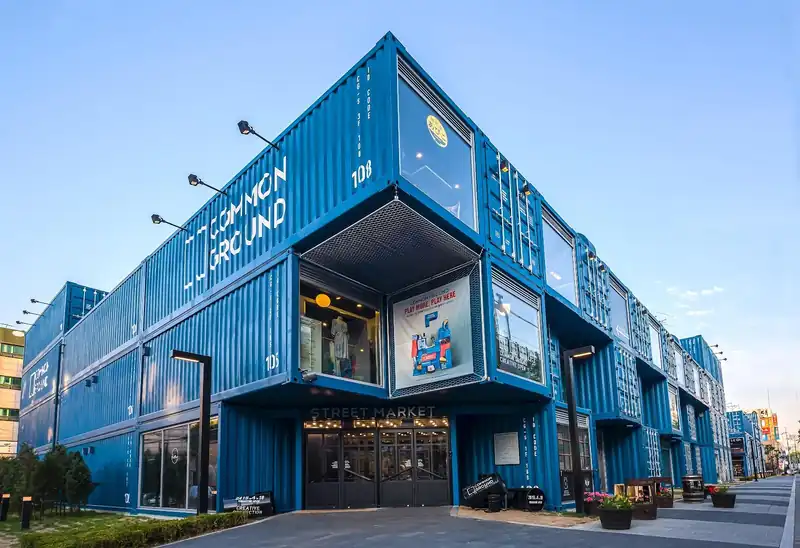
Common Ground
Common Ground is a shopping and lifestyle complex in Seongsu-dong, Gwangjin District, Seoul, built in 2015 from around 200 recycled shipping containers, making it the world's largest pop-up structure of its kind at the time. The orange-hued container maze houses fashion boutiques, streetwear brands, cafes, and food stalls arranged around an open central plaza that regularly hosts markets, exhibitions, and live events. Its striking industrial-container design has made it a popular photo spot and a symbol of Seongsu-dong's transformation from a factory district into one of Seoul's trendiest creative neighborhoods.
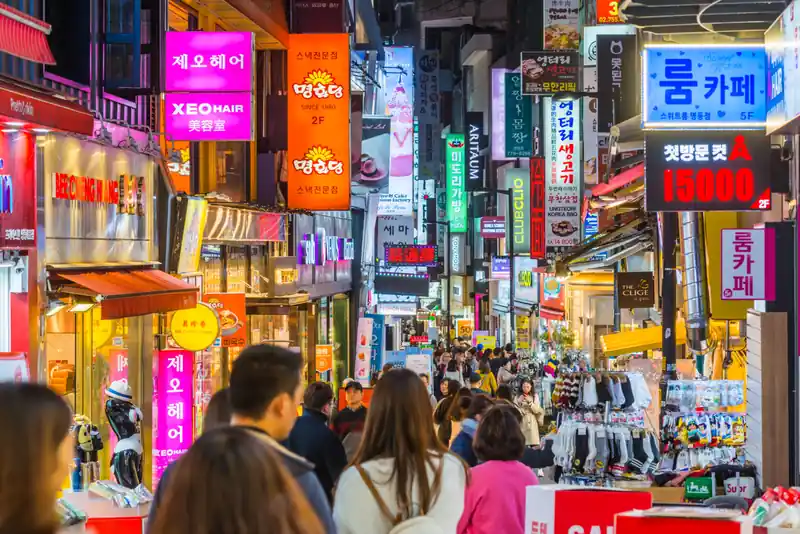
Hongdae Street
Hongdae Street is a lively area famous for youth culture, street performances, and creative art scenes. Visitors can enjoy shopping, cafés, live music, and various street food options. It is one of the most energetic nightlife and walking areas in Seoul.
Hongdae Playground
Hongdae Playground is a small public square in front of Hongik University in Mapo District, Seoul, that has long served as the informal heart of the Hongdae neighborhood's indie art and music scene. On weekend afternoons the square and the surrounding walking street host the long-running Hongdae Free Market, where young artists and craftspeople sell handmade goods, alongside impromptu busking performances by musicians and dance crews. The square is surrounded by cafes, live clubs, and streetwear shops that make Hongdae one of Seoul's best-known youth culture districts.
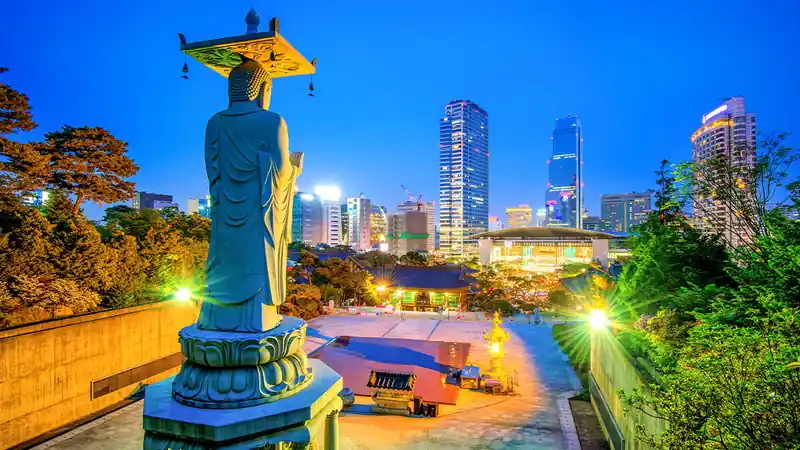
Bongeunsa Temple
Bongeunsa Temple is a historic Buddhist temple located in the Gangnam district of Seoul, South Korea. Founded in 794 during the Silla Dynasty, it is over 1,200 years old and serves as an important cultural and spiritual site. The temple is known for its large statue of Maitreya Buddha, traditional architecture, and peaceful atmosphere. Despite being located in the middle of a modern urban area, it offers visitors a quiet retreat from the busy city.
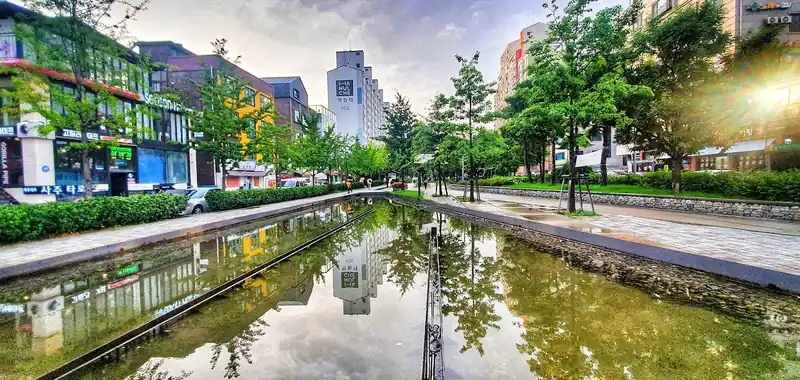
Gyeongui Line Forest Park
Gyeongui Line Forest Park is a long, narrow linear park built along a decommissioned section of the Gyeongui railway line running through Mapo District, Seoul, connecting the Hongdae, Yeonnam-dong, and Sinsu neighborhoods. Nicknamed 'Yeontral Park' by locals as a play on Yeonnam-dong and New York's Central Park, its Yeonnam-dong stretch in particular is lined with trendy cafes, restaurants, and picnicking lawns that draw large weekend crowds. The park's tree-lined paths and pockets of green space make it one of Seoul's most popular urban strolling and picnic spots.
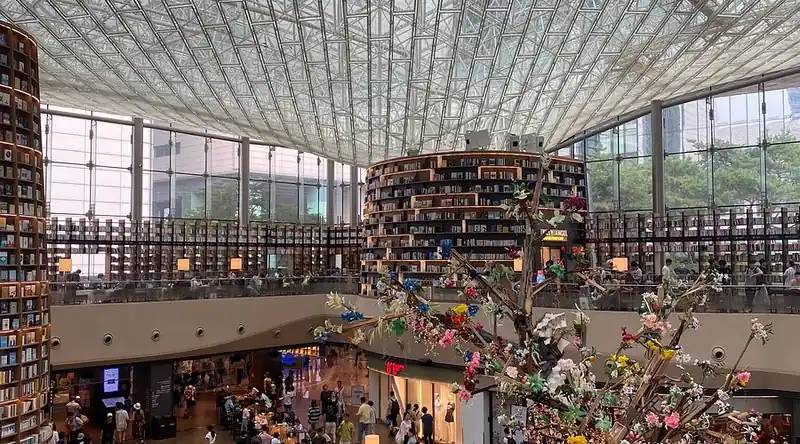
COEX Starfield Library
Starfield Library is a large public library located inside COEX Mall. It features tall bookshelves and modern architecture, making it a popular photo spot.
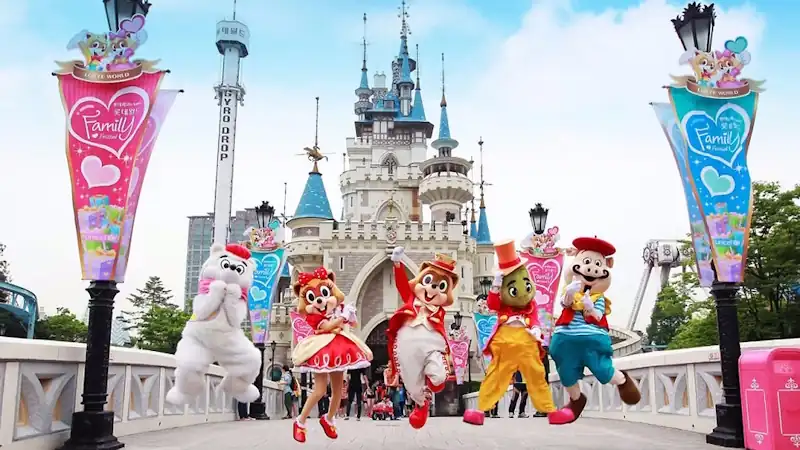
Lotte World Adventure
Lotte World is a major entertainment complex in Seoul featuring one of the world’s largest indoor theme parks alongside an outdoor lakeside park known as Magic Island, offering a clearly defined and dynamic leisure environment where themed rides, seasonal performances, shopping, and a wide range of attractions combine into a distinctive all-weather destination suitable for families, couples, and year-round tourism in the heart of the city.
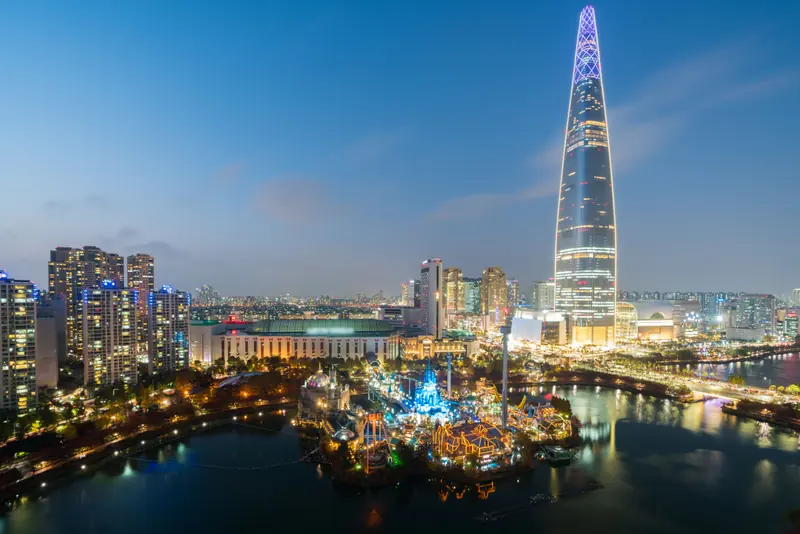
Lotte World Tower – Seoul Sky
Seoul Sky is an observation deck located at the top of Lotte World Tower. Visitors can enjoy panoramic views of Seoul from one of the highest observation decks in the world. It is a popular attraction for city views, photography, and special experiences.
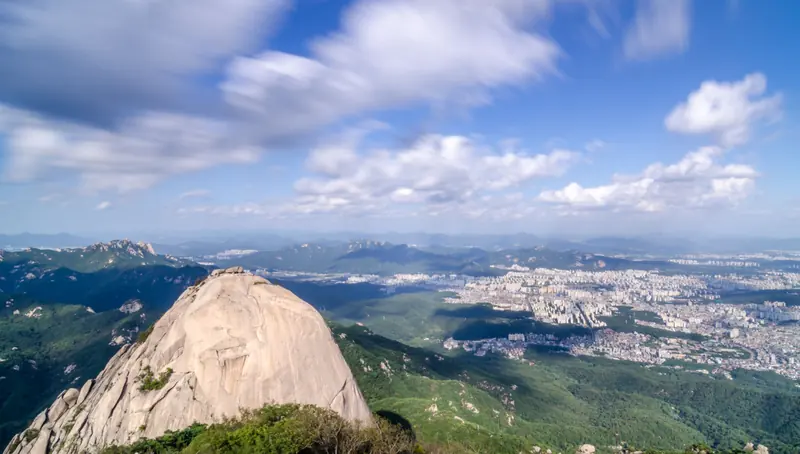
Bukhansan National Park
Bukhansan National Park is a major mountain park located on the northern edge of Seoul. It is famous for granite peaks, fortress walls, and well-maintained hiking trails.
