Itaewon Antique Furniture Street
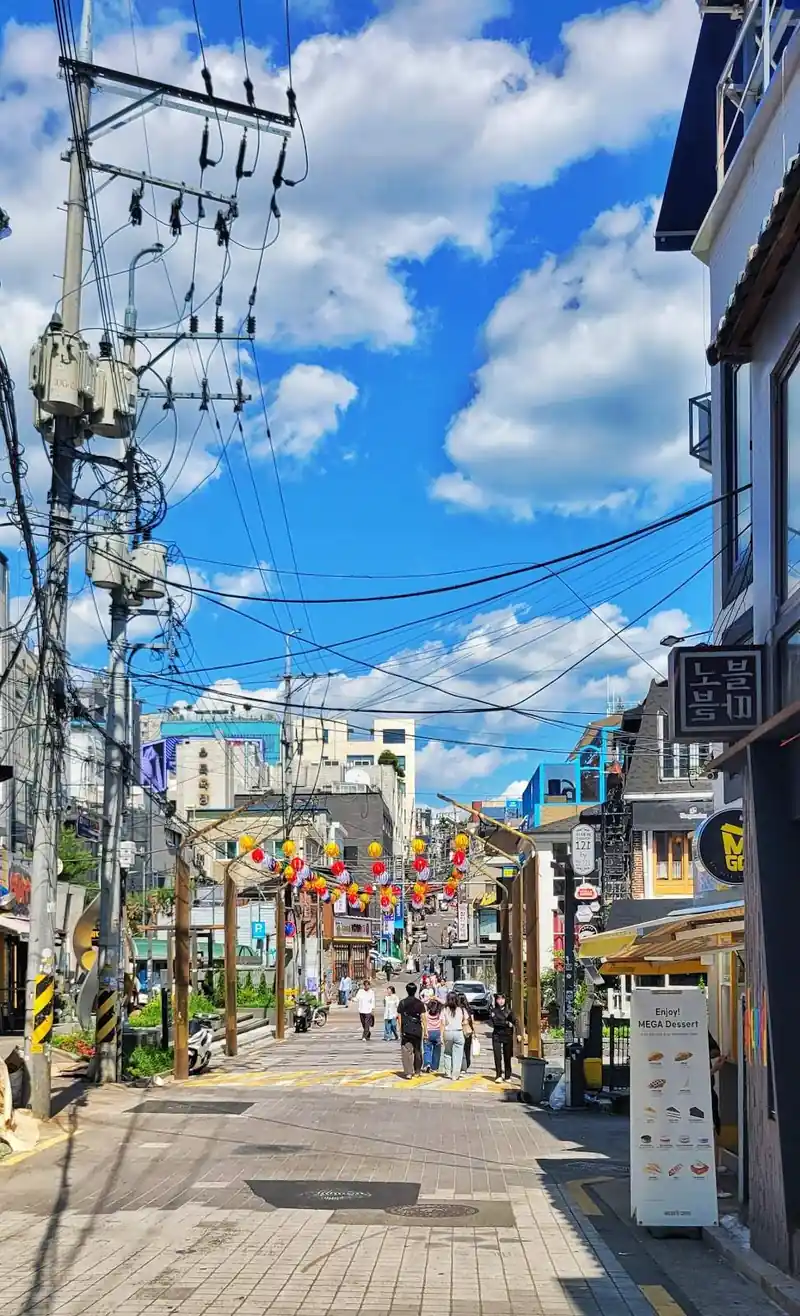
Itaewon Antique Furniture Street is a cluster of specialty shops in the Itaewon-dong area of Yongsan District, Seoul, that has sold Korean and Asian antique furniture, folk crafts, and vintage decor for decades. Longstanding stores line the street selling traditional wooden chests (bandaji), lacquerware, and restored hanok-era furnishings alongside curios collected from across Korea, drawing both serious collectors and casual browsers. The street reflects an older, less touristy side of Itaewon than its nightlife strip, appealing to visitors interested in Korean craftsmanship and interior design.
Visitor Information & Practical Details
- Place NameItaewon Antique Furniture Street
- AddressItaewon-dong, Yongsan-gu, Seoul, South Korea
- Opening HoursOpen daily (check locally)
- Admission / PriceFree (individual shop purchases vary)
- PhoneNot listed
- Official Websitehttps://english.visitkorea.or.kr/svc/whereToGo/locIntrdn/rgnContentsView.do?vcontsId=90739&menuSn=351
- GPS Coordinates37.53168, 126.99489
Best Itinerary Visiting Itaewon Antique Furniture Street
Combine Itaewon Antique Furniture Street with nearby landmarks using our step-by-step walking and transit route.
Places Near Itaewon Antique Furniture Street
Build your own custom walking route in the MyGuide app by combining these nearby stops.
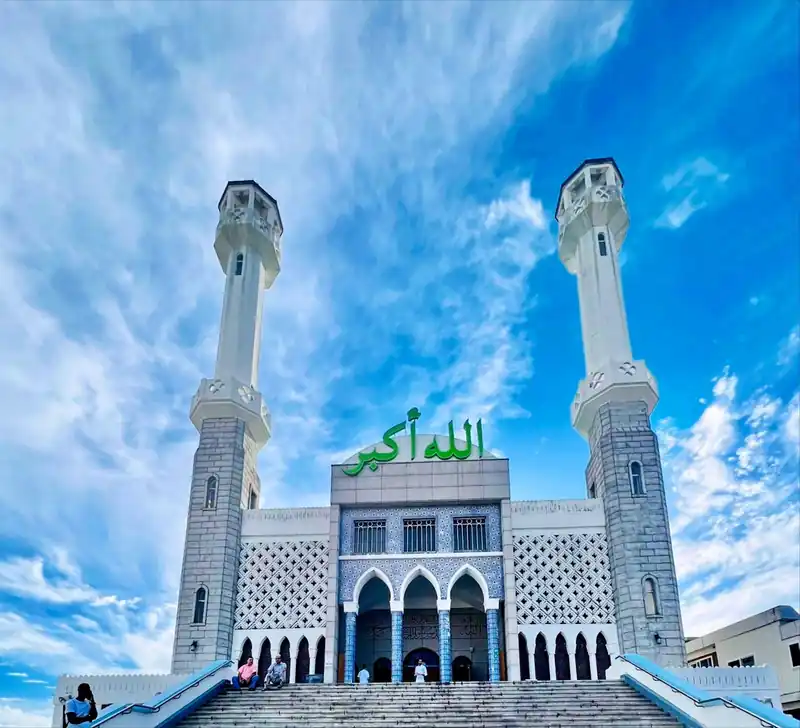
Seoul Central Mosque
Seoul Central Mosque, completed in 1976 on a hillside above Itaewon in Yongsan District, is South Korea's first and largest mosque, serving as the spiritual center for the country's Muslim community and a hub of the surrounding Islamic Quarter's halal restaurants and shops. Built with donations from Saudi Arabia, Malaysia, and other Muslim-majority nations, its minaret and dome are visible across the neighborhood, and the mosque welcomes visitors of all faiths outside prayer times, with modest dress requested. The surrounding streets offer a distinctly multicultural slice of Seoul, reflecting decades of immigration and the presence of the nearby US military base.
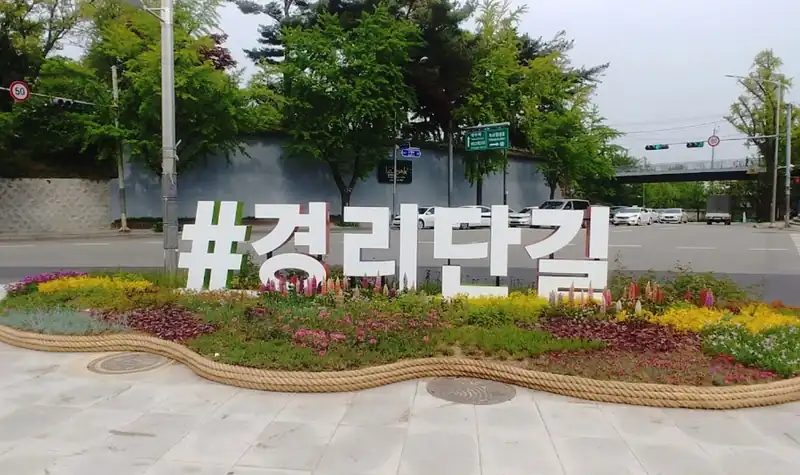
Gyeongnidan-gil Street
Gyeongnidan-gil is a hillside street in Itaewon-dong, Yongsan District, that rose to fame in the 2010s as one of Seoul's trendiest strips of independent cafes, craft bars, and international restaurants, taking its name from the nearby Army Finance Command (Gyeongnidan). Narrow lanes branching off the main slope are lined with small boutiques and eateries run by young entrepreneurs, drawing comparisons to Brooklyn-style gentrifying neighborhoods, and its popularity has since spawned copycat 'gil' streets named after it elsewhere in Korea. Though foot traffic has fluctuated with Seoul's ever-shifting trends, it remains a popular spot for cafe-hopping and photos.
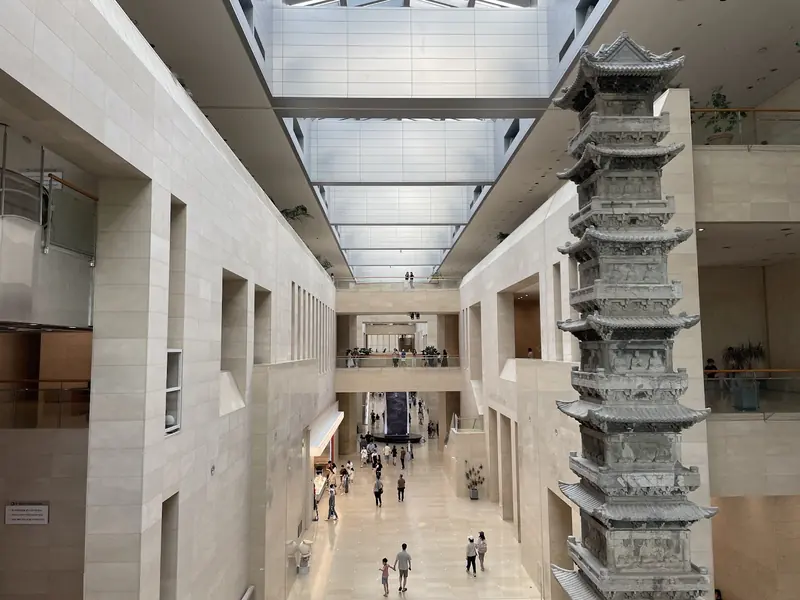
National Museum of Korea
The National Museum of Korea, in Yongsan, Seoul, is the country's flagship museum and one of the largest in Asia, housing more than 400,000 artifacts that trace Korean history and art from prehistory to the modern era. Highlights include the ten-story Gyeongcheonsa Pagoda, gilt-bronze Buddhist statues, Goryeo celadon ceramics, and Joseon Dynasty paintings and calligraphy. The museum also features a reflecting pool, extensive gardens, and views of N Seoul Tower from the Mirror Pond, and general admission to the permanent exhibitions is free.

The War Memorial of Korea
The War Memorial of Korea is a large national museum that presents the military history of Korea, including the Korean War. Visitors can explore indoor exhibitions and outdoor displays of military equipment.
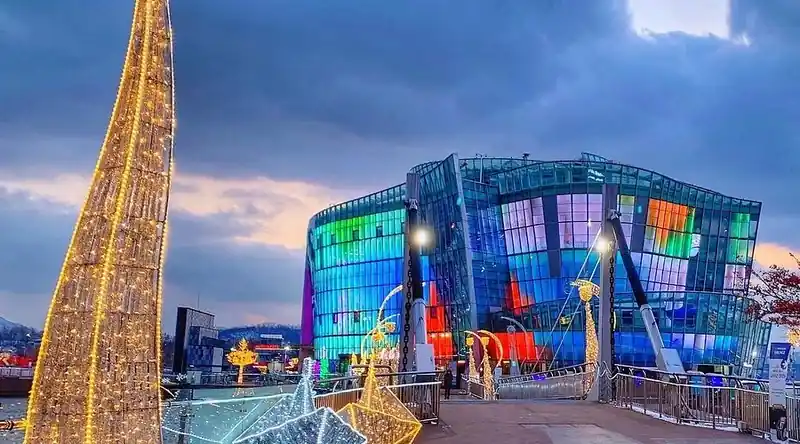
Sebitseom (Some Sevit)
Sebitseom is a floating cultural complex located on the Han River. The site features modern architecture, restaurants, cafés, and event spaces with river views. It is especially popular for night views, photography, and relaxed riverside walks.
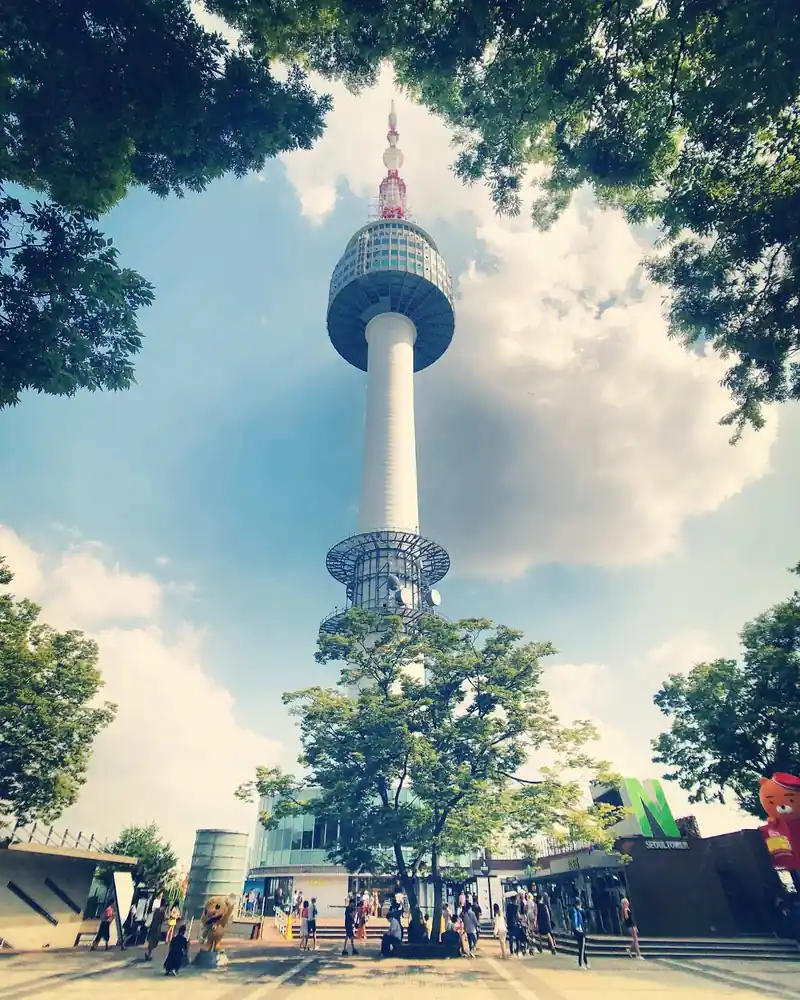
N Seoul Tower
N Seoul Tower is a 236.7-metre communications and observation tower atop Namsan Mountain in central Seoul, opened to the public in 1980 and long a symbol of the city. Visitors ride a cable car or hike up Namsan Park before taking an elevator to the observation deck for panoramic views of Seoul, and the surrounding railings are famous for thousands of padlocks left by couples as a symbol of lasting love. The tower also has restaurants, a gift shop, and colorful nightly LED lighting displays visible across the city.
