Piazza Navona
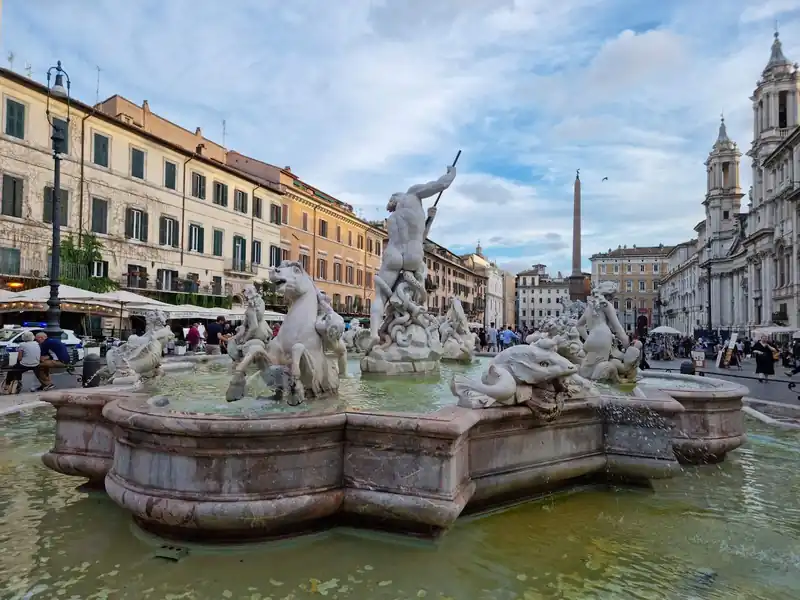
Bernini's Fountain of the Four Rivers and Borromini's Facade Tracing Emperor Domitian's AD 86 Stadium — Preserving the exact elongated oval footprint of the Stadium of Domitian built in AD 86 for 30,000 spectators of Greek-style athletic contests ('agones', from which 'Navona' evolved), Piazza Navona was transformed under Pope Innocent X Pamphilj in the mid-17th century into the showpiece of Roman Baroque urbanism. At its center rises Gian Lorenzo Bernini's 1651 Fountain of the Four Rivers (Nile, Ganges, Danube, and Rio de la Plata) crowned by an ancient obelisk directly facing Francesco Borromini's undulating facade of Sant'Agnese in Agone.
Visitor Information & Practical Details
- Place NamePiazza Navona
- AddressPiazza Navona, 00186 Roma RM, Italy
- Opening HoursDaily 24 hours
- Admission / PriceFree
- Phone+39 06 0608
- Official Websitehttps://en.wikipedia.org/wiki/Piazza_Navona
- GPS Coordinates41.89916, 12.47307
Best Itinerary Visiting Piazza Navona
Combine Piazza Navona with nearby landmarks using our step-by-step walking and transit route.
Places Near Piazza Navona
Build your own custom walking route in the MyGuide app by combining these nearby stops.
Pantheon (Rome)
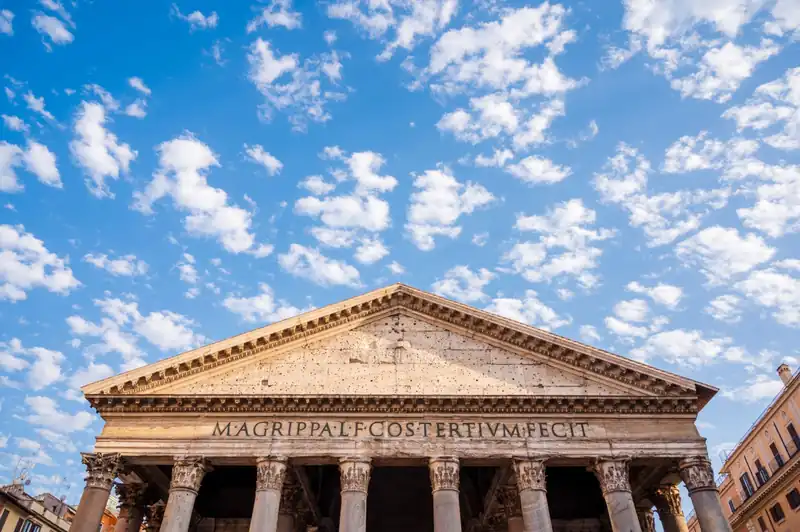
The Pantheon is one of the best-preserved monuments of ancient Rome. Built around AD 126, it is famous for its massive concrete dome and central oculus that opens to the sky.
Campo de Fiori
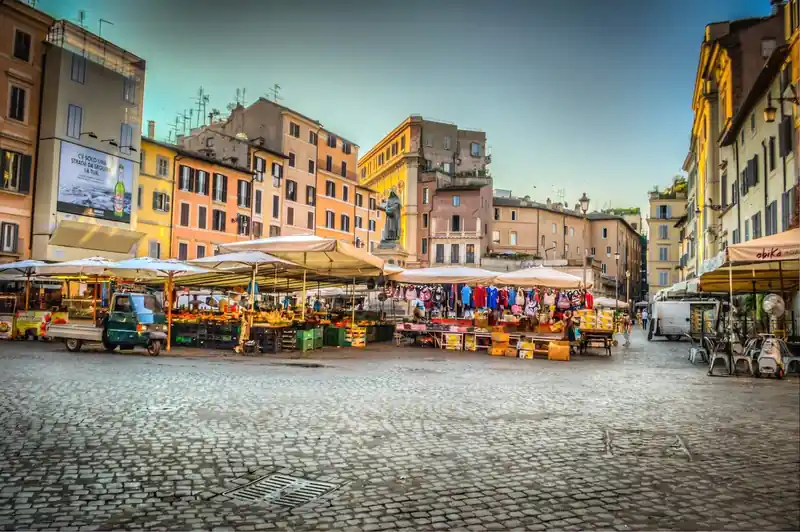
Rome's Lively Morning Produce Market Since 1869 Watched Over by the Hooded Statue of Giordano Bruno — Meaning 'Field of Flowers' after the medieval meadow that existed here until Pope Callixtus III paved it in 1456, Campo de' Fiori is the only major historic square in Rome without a church. Every morning since 1869 it bursts into color with stalls of Roman artichokes, fruit, spices, and flowers around the 1889 bronze monument by Ettore Ferrari honoring philosopher Giordano Bruno, who was burned at the stake on this very spot in 1600 for defending cosmic infinity.
Castel Sant’Angelo (Rome)
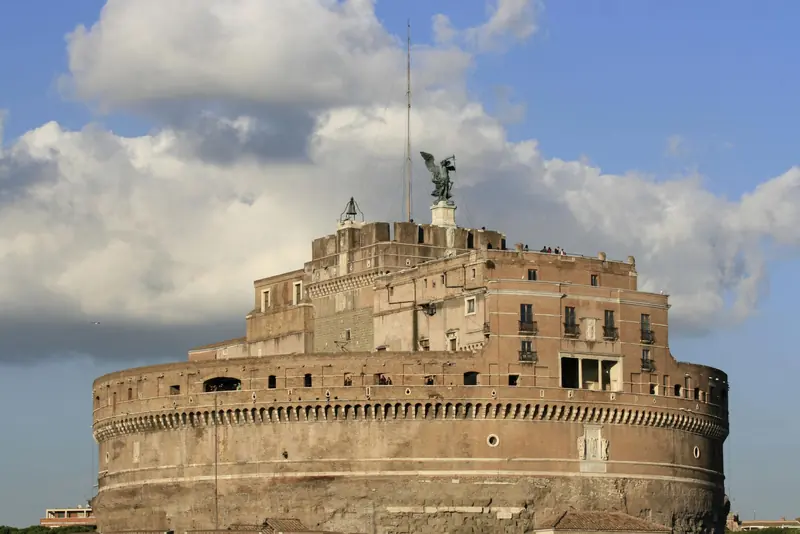
Originally built as Emperor Hadrian’s mausoleum, Castel Sant’Angelo later became a fortress and papal residence. Today it offers panoramic views over Rome and the Vatican.
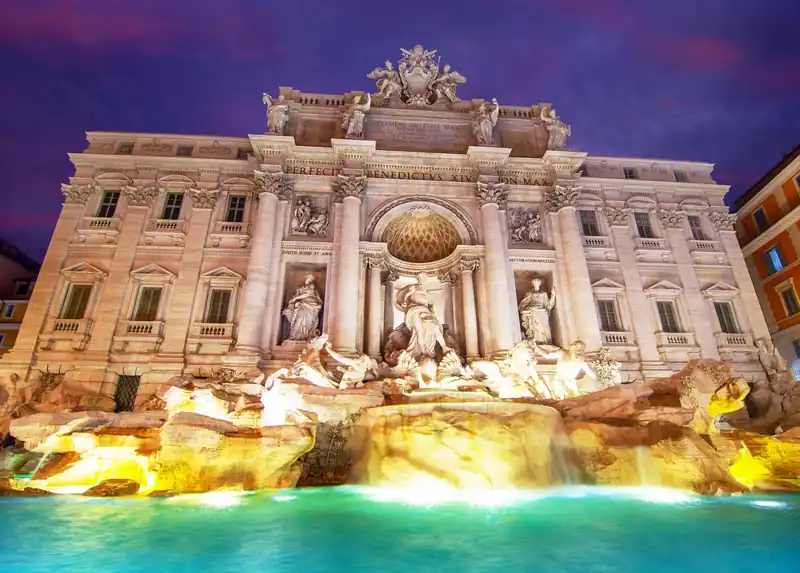
Trevi Fountain
Trevi Fountain is the largest Baroque fountain in Rome and one of the most famous fountains in the world. Visitors traditionally throw a coin into the fountain to ensure their return to Rome.
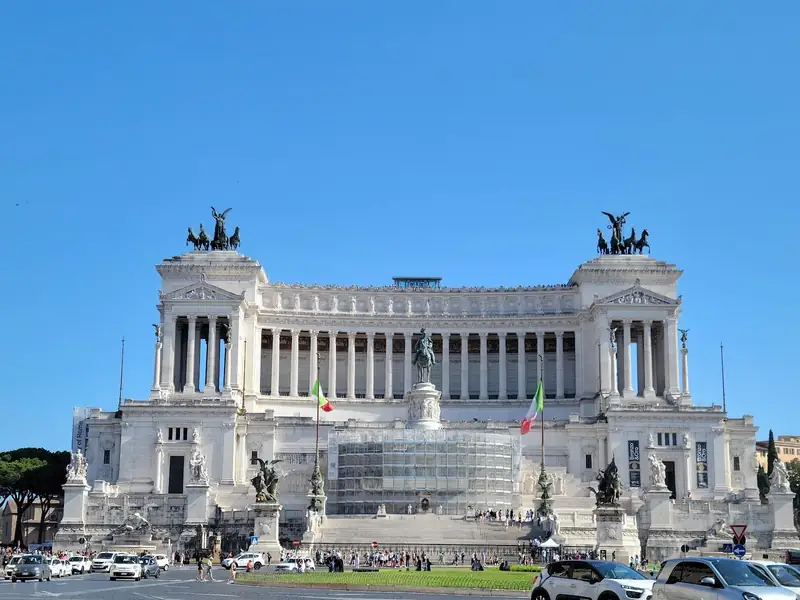
Altar of the Fatherland
White Botticino Marble Colonnade on Piazza Venezia Honouring Unified Italy's First King and Unknown Soldier — Designed by Giuseppe Sacconi in 1885 and inaugurated in 1911 on the northern slope of the Capitoline Hill overlooking Piazza Venezia, the Vittoriano celebrates King Victor Emmanuel II and the Risorgimento unification of Italy. Crowned by twin bronze quadriga chariots soaring 81 meters above the street, its gleaming white Botticino marble stairways cradle the eternal flame of Italy's Tomb of the Unknown Soldier (1921) and a panoramic glass elevator ride to the rooftop terrace.
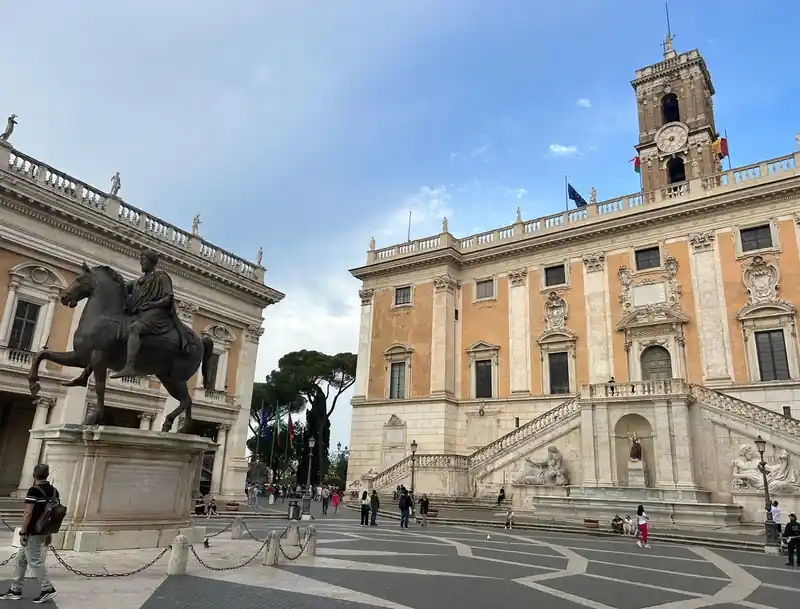
Capitoline Museums (Rome)
The Capitoline Museums are considered the oldest public museums in the world, dating back to the 15th century. Located on Capitoline Hill, they house an extraordinary collection of ancient Roman sculptures and artifacts. Highlights include the Capitoline Wolf, the equestrian statue of Marcus Aurelius, and panoramic views over the Roman Forum from the museum terraces.
