Galleria Borghese
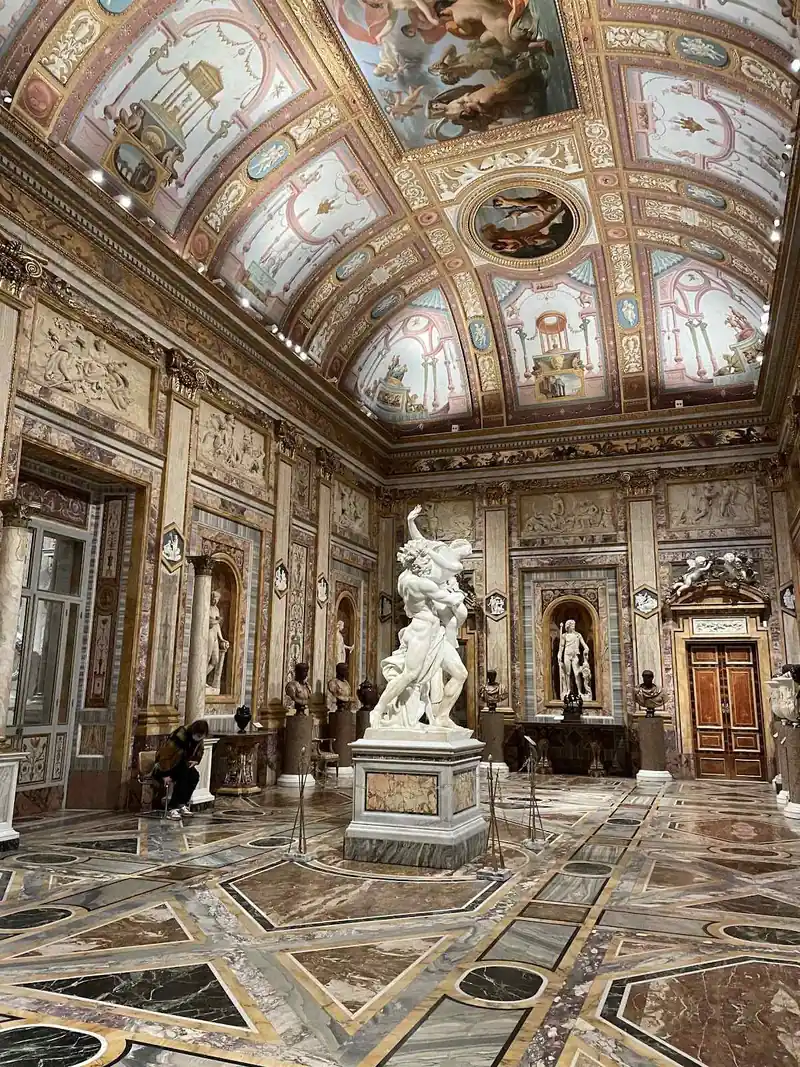
Cardinal Scipione Borghese's 1613 Suburban Villa Showcasing Bernini's Marble Miracles and Six Caravaggios — Built between 1613 and 1616 by Flaminio Ponzio and Giovanni Vasanzio inside Villa Borghese park as the pleasure casino of Cardinal Scipione Borghese—nephew of Pope Paul V and Rome's most ruthless art collector—the Galleria Borghese displays masterpieces in the exact frescoed salons for which they were commissioned. Here stand Gian Lorenzo Bernini's youth sculptures ('Apollo and Daphne', 'The Rape of Proserpina', and 'David'), Canova's 'Paolina Bonaparte', Raphael's 'Deposition', Titian's 'Sacred and Profane Love', and six paintings by Caravaggio.
Visitor Information & Practical Details
- Place NameGalleria Borghese
- AddressPiazzale Scipione Borghese, 5, 00197 Roma RM, Italy
- Opening HoursTue-Sun 09:00-19:00 (Closed Mon)
- Admission / PriceEUR 18 with mandatory reservation fee (~$20 USD)
- Phone+39 06 841 3979
- Official Websitehttps://en.wikipedia.org/wiki/Galleria_Borghese
- GPS Coordinates41.91421, 12.49214
Best Itinerary Visiting Galleria Borghese
Combine Galleria Borghese with nearby landmarks using our step-by-step walking and transit route.
Places Near Galleria Borghese
Build your own custom walking route in the MyGuide app by combining these nearby stops.
Villa Borghese Gardens (Rome)
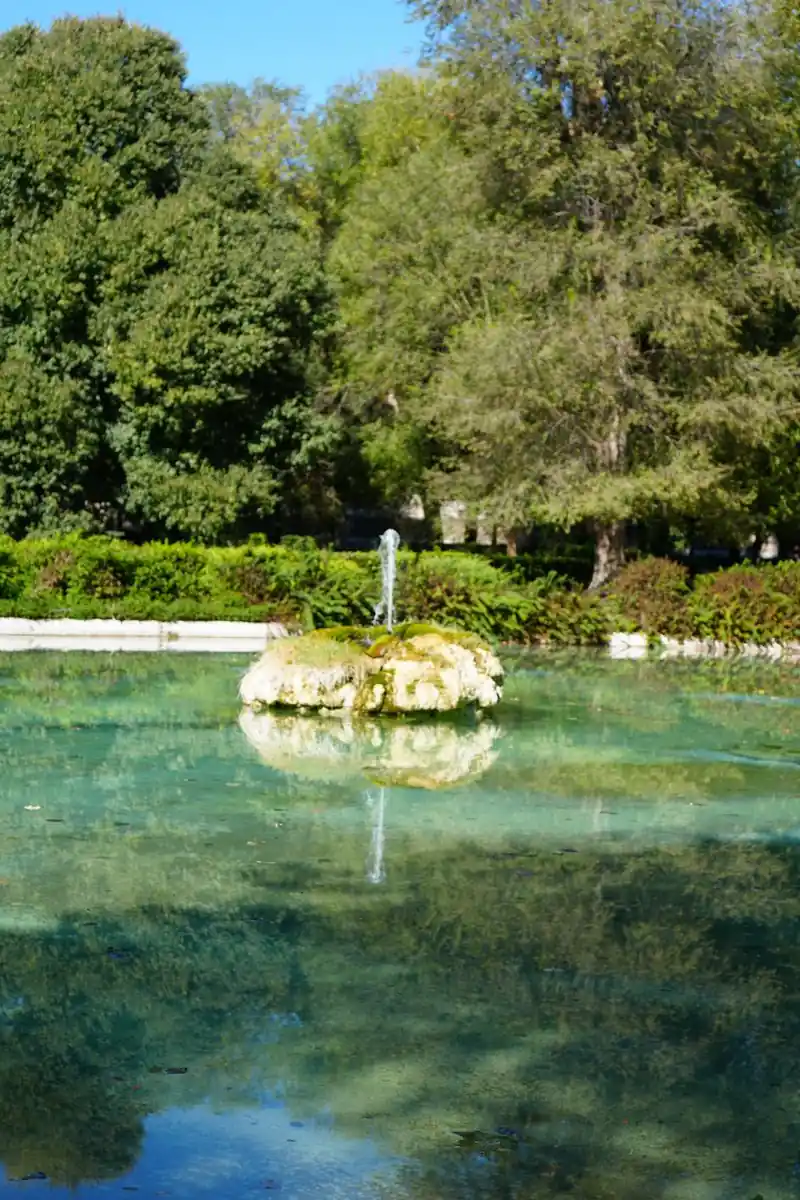
Villa Borghese is a large public park in Rome offering gardens, museums, a small lake, and scenic viewpoints. It is home to the famous Borghese Gallery.
Spanish Steps (Scalinata di Trinità dei Monti)
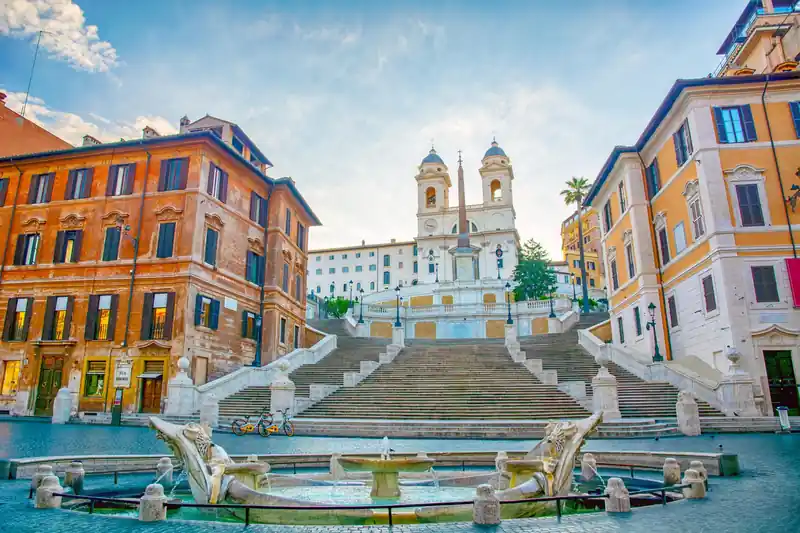
The Spanish Steps connect Piazza di Spagna with the Trinità dei Monti church above. It is one of the most popular gathering and photo spots in Rome.
Trevi Fountain
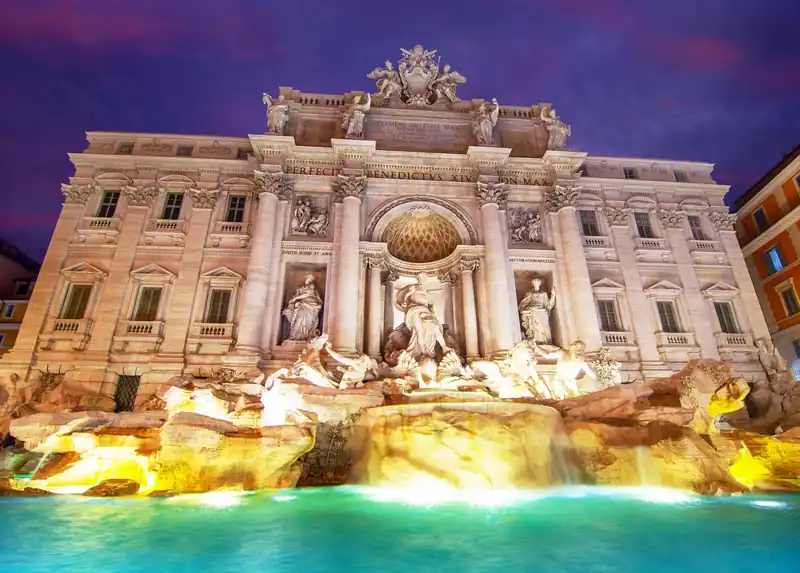
Trevi Fountain is the largest Baroque fountain in Rome and one of the most famous fountains in the world. Visitors traditionally throw a coin into the fountain to ensure their return to Rome.
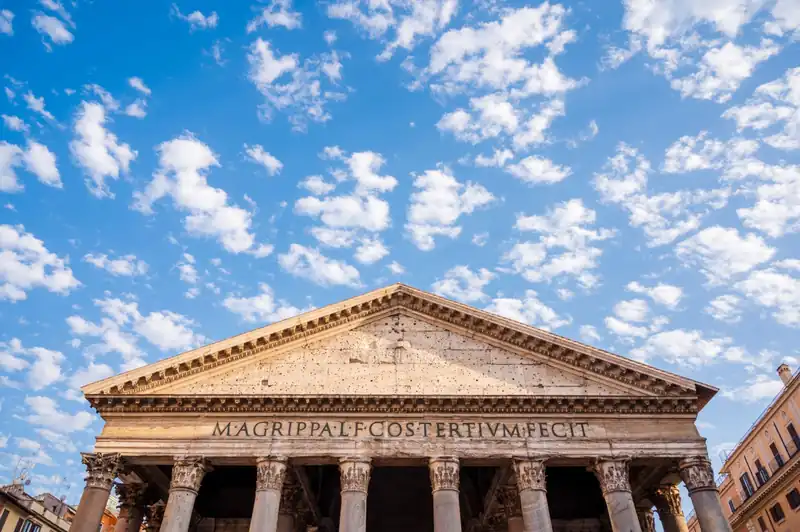
Pantheon (Rome)
The Pantheon is one of the best-preserved monuments of ancient Rome. Built around AD 126, it is famous for its massive concrete dome and central oculus that opens to the sky.
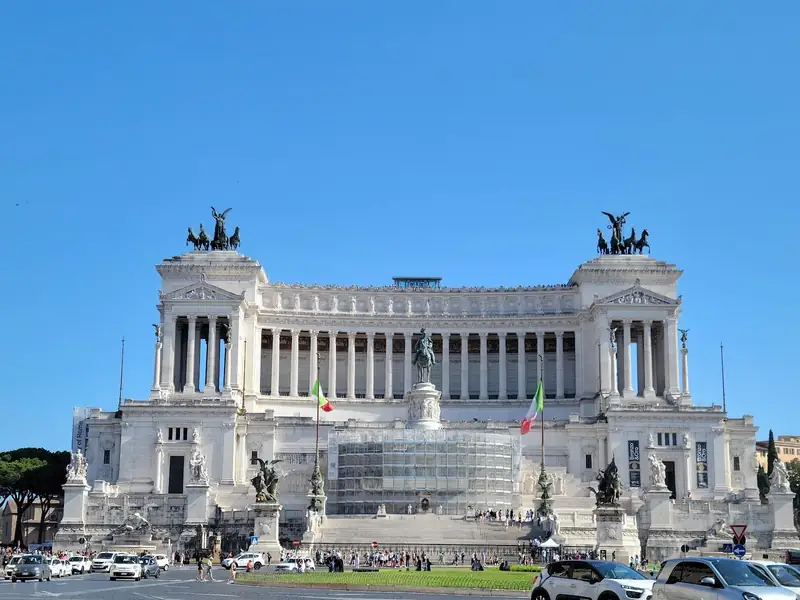
Altar of the Fatherland
White Botticino Marble Colonnade on Piazza Venezia Honouring Unified Italy's First King and Unknown Soldier — Designed by Giuseppe Sacconi in 1885 and inaugurated in 1911 on the northern slope of the Capitoline Hill overlooking Piazza Venezia, the Vittoriano celebrates King Victor Emmanuel II and the Risorgimento unification of Italy. Crowned by twin bronze quadriga chariots soaring 81 meters above the street, its gleaming white Botticino marble stairways cradle the eternal flame of Italy's Tomb of the Unknown Soldier (1921) and a panoramic glass elevator ride to the rooftop terrace.
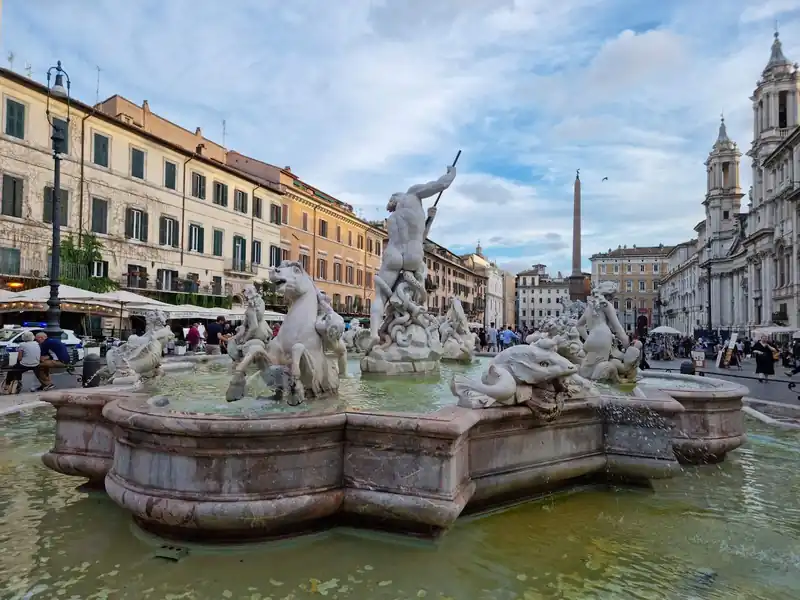
Piazza Navona
Bernini's Fountain of the Four Rivers and Borromini's Facade Tracing Emperor Domitian's AD 86 Stadium — Preserving the exact elongated oval footprint of the Stadium of Domitian built in AD 86 for 30,000 spectators of Greek-style athletic contests ('agones', from which 'Navona' evolved), Piazza Navona was transformed under Pope Innocent X Pamphilj in the mid-17th century into the showpiece of Roman Baroque urbanism. At its center rises Gian Lorenzo Bernini's 1651 Fountain of the Four Rivers (Nile, Ganges, Danube, and Rio de la Plata) crowned by an ancient obelisk directly facing Francesco Borromini's undulating facade of Sant'Agnese in Agone.
