Centre Pompidou
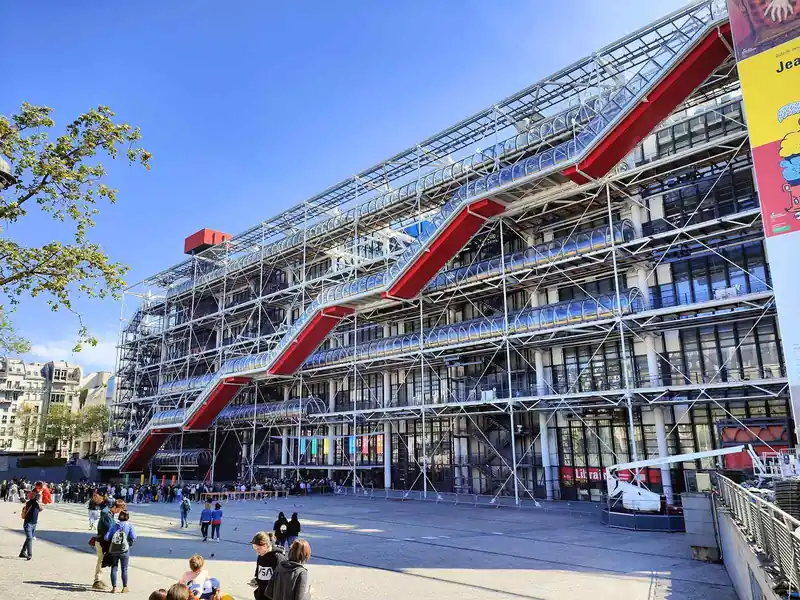
Opened in 1977 and named for President Georges Pompidou, who championed the project, the Centre Pompidou startled Paris on arrival with its inside-out architecture: structural beams, escalators, and color-coded service pipes (blue for air, green for water, yellow for electricity, red for movement) run along the exterior rather than being hidden inside, a radical design by architects Renzo Piano and Richard Rogers that freed the interior into vast, column-free, endlessly reconfigurable exhibition floors. That interior houses the Musee National d'Art Moderne, one of the largest collections of 20th and 21st century art in the world, spanning Matisse, Picasso, Kandinsky, and generations of contemporary practice, alongside a major public library and a lively plaza out front that has long attracted street performers and skateboarders. The building's exposed escalator tube, climbing diagonally up the facade in a transparent glass caterpillar, doubles as an informal observation deck, offering one of the more surprising rooftop panoramas over the Right Bank rooftops toward Sacre-Coeur.
Visitor Information & Practical Details
- Place NameCentre Pompidou
- AddressPlace Georges-Pompidou, 75004 Paris, France
- Opening HoursOpen daily (check locally)
- Admission / PriceFree / Check official site
- PhoneNot listed
- Official Websitehttps://www.centrepompidou.fr/en/visit
- GPS Coordinates48.86064, 2.35224
Best Itinerary Visiting Centre Pompidou
Combine Centre Pompidou with nearby landmarks using our step-by-step walking and transit route.
Places Near Centre Pompidou
Build your own custom walking route in the MyGuide app by combining these nearby stops.
Sainte-Chapelle
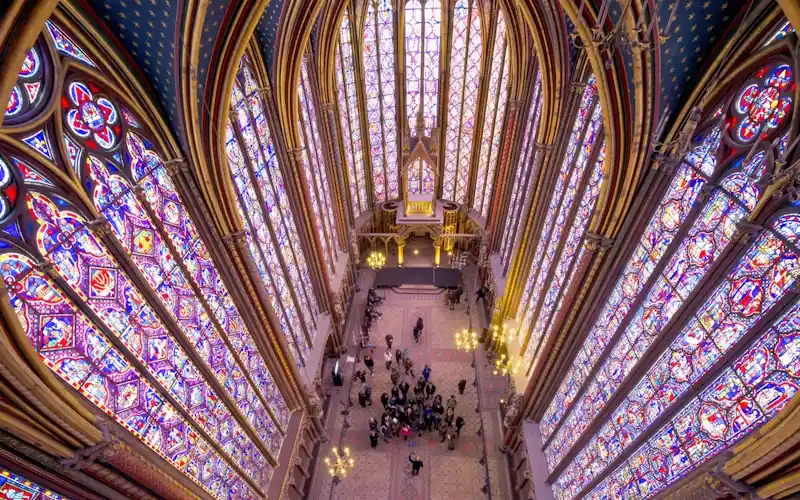
Sainte-Chapelle is a stunning Gothic chapel famous for its towering stained glass windows that fill the interior with vibrant colors and light, originally built to house religious relics, and it offers one of the most visually striking and intimate architectural experiences in Paris.
NotreDameCathedral
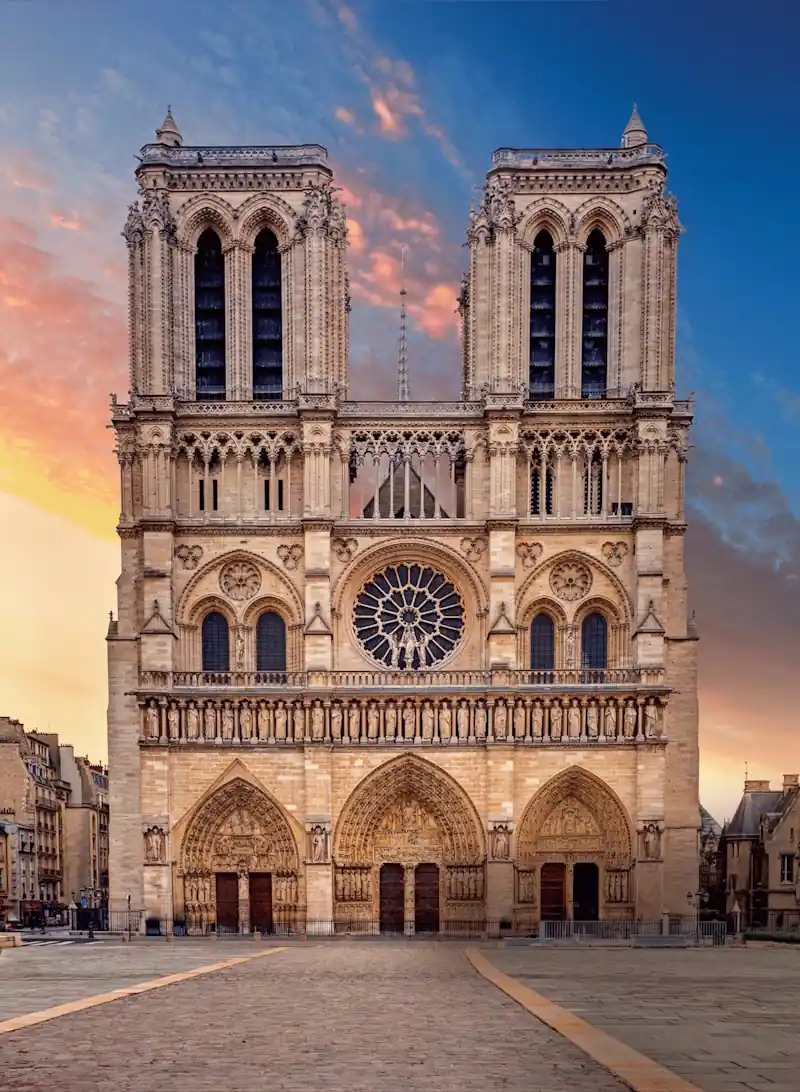
Notre-Dame Cathedral is one of the finest examples of French Gothic architecture, famous for its twin towers, intricate sculptures, and stunning stained glass windows, and it remains a symbol of Paris’s history, resilience, and cultural heritage despite the devastating fire in 2019.
Le Marais District
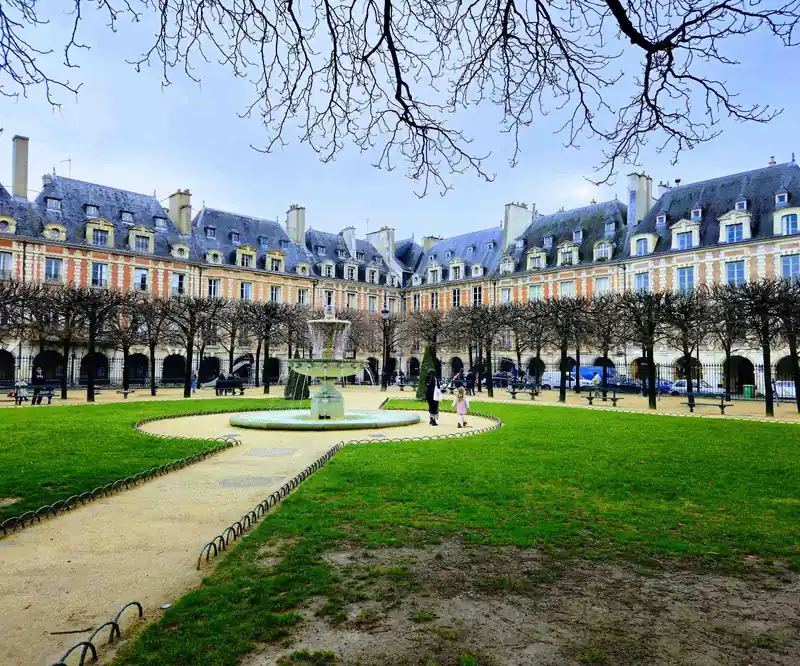
Le Marais is one of the most vibrant and historically layered neighborhoods in Paris — a remarkably well-preserved medieval quarter on the Right Bank of the Seine whose narrow streets and magnificent Renaissance mansions (hotels particuliers) survived the great 19th-century modernization of Paris that demolished most of the medieval city, leaving the Marais as an irreplaceable repository of Paris's pre-Haussmann urban fabric. The district's history spans the full arc of Parisian life — it was the aristocratic heart of Paris during the 16th and 17th centuries, when the nobility built the elegant mansions that still line its streets and gathered around the Place des Vosges, the oldest planned square in Paris, built by Henri IV in 1612 and still one of the most beautiful urban spaces in France. The Jewish Quarter centered on the Rue des Rosiers has been a center of Parisian Jewish life since the 13th century, and despite the devastation of the Holocaust, it retains its character as a living Jewish neighborhood with synagogues, kosher restaurants, and bakeries that make it one of the most authentic Jewish quarters in Western Europe. Today the Marais is also celebrated as one of the most creative and fashionable neighborhoods in Paris — its galleries, concept stores, vintage shops, and cutting-edge restaurants draw visitors from across the city and around the world, while its significant LGBTQ+ community has made it the cultural center of gay Paris for decades. The Marais is home to some of Paris's finest museums including the Musee Carnavalet (the history of Paris), the Musee Picasso, and the Musee de la Chasse et de la Nature, all housed in magnificent historic mansions that are themselves as interesting as the collections within.
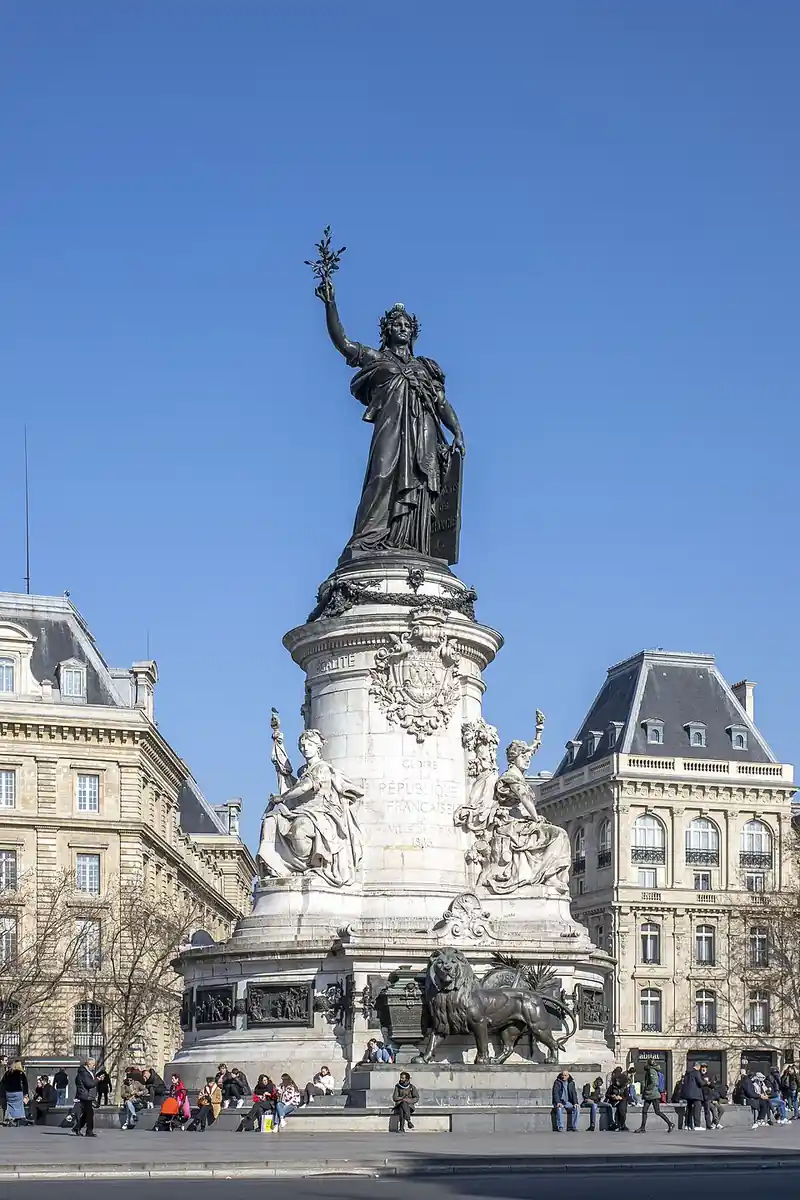
Place de la République
Place de la République is a large and dynamic public square in Paris centered around the Statue of the Republic, known for its open pedestrian space, cultural events, and gatherings, offering a modern urban atmosphere that contrasts with the city’s historic landmarks while still reflecting its social and political life.
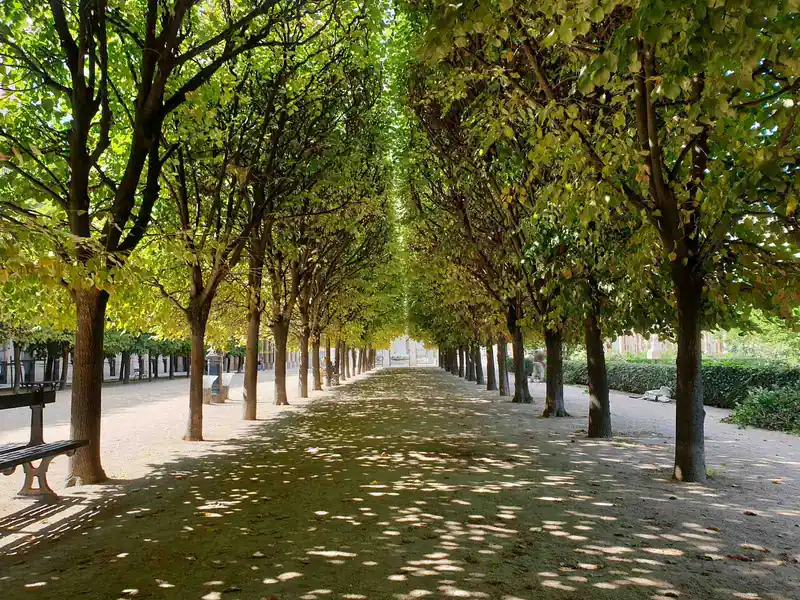
Palais-Royal Garden
Tucked directly behind the Louvre and laid out in the 17th century for Cardinal Richelieu before passing to the royal family, the Palais-Royal Garden is a rectangular formal garden enclosed on three sides by uniform arcaded galleries that once housed some of Paris's most fashionable shops, gambling dens, and cafes, making the complex a center of Parisian social and political life in the 18th century, including gatherings in its cafes that helped spark the storming of the Bastille in 1789. Today the arcades hold a quieter mix of antique dealers, perfumers, and small boutiques, while the garden itself, lined with clipped lime trees, a central fountain, and rose beds, offers one of the most sheltered and peaceful green spaces in central Paris, largely unknown to visitors who pass right by its unassuming entrances. At the courtyard nearest the Comedie-Francaise, the sculptor Daniel Buren's 1986 installation of black-and-white striped columns of varying heights, known as Les Deux Plateaux, remains a favorite spot for children to climb and photographers to frame, a piece of contemporary public art set against 17th-century stone.
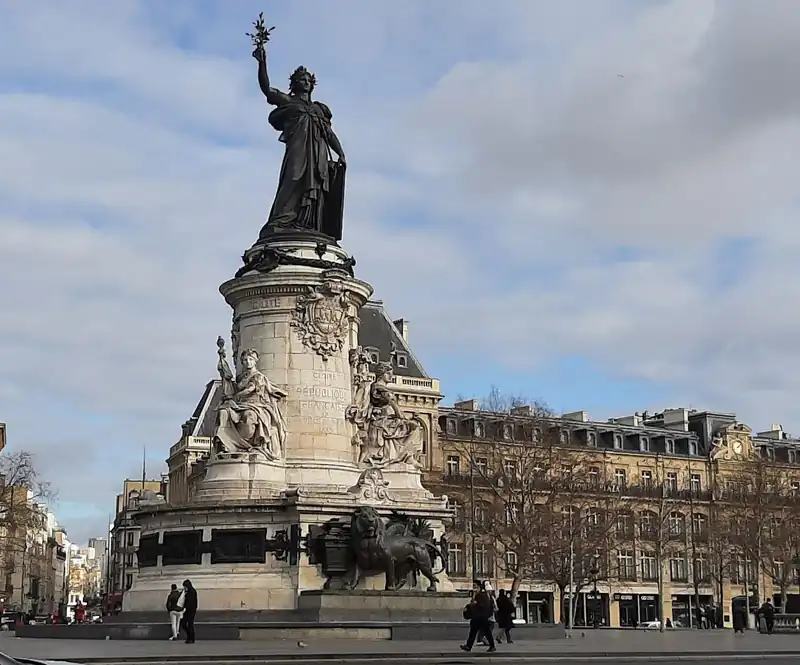
Place de la Republique
Created in the 1850s when Baron Haussmann's renovation of Paris cut wide new boulevards through the city, Place de la Republique is one of the largest squares in Paris, anchored by a towering bronze statue of Marianne, the female personification of the French Republic, holding an olive branch and standing atop a pedestal ringed by allegorical reliefs of Liberty, Equality, and Fraternity and guarded by bronze lions. Unveiled in 1883, the monument replaced an earlier plan for an equestrian statue of Louis XIV and deliberately consolidated the square's identity as a symbol of republican, rather than royal, France. Since the late 20th century the square has become the default staging ground for the country's largest political demonstrations, spontaneous vigils, and national mourning gatherings, its open plaza large enough to hold tens of thousands and its central statue serving as a natural focal point and meeting spot. Beyond its political role, the square today functions as a busy transit hub and pedestrianized public space with a large reflecting pool, informal seating, and easy access on foot to the trendy bars and canal-side cafes of the surrounding 10th and 11th arrondissements.
